Are Belgian Malinoiss Easy to Train? Temperament and Trainability FAQ
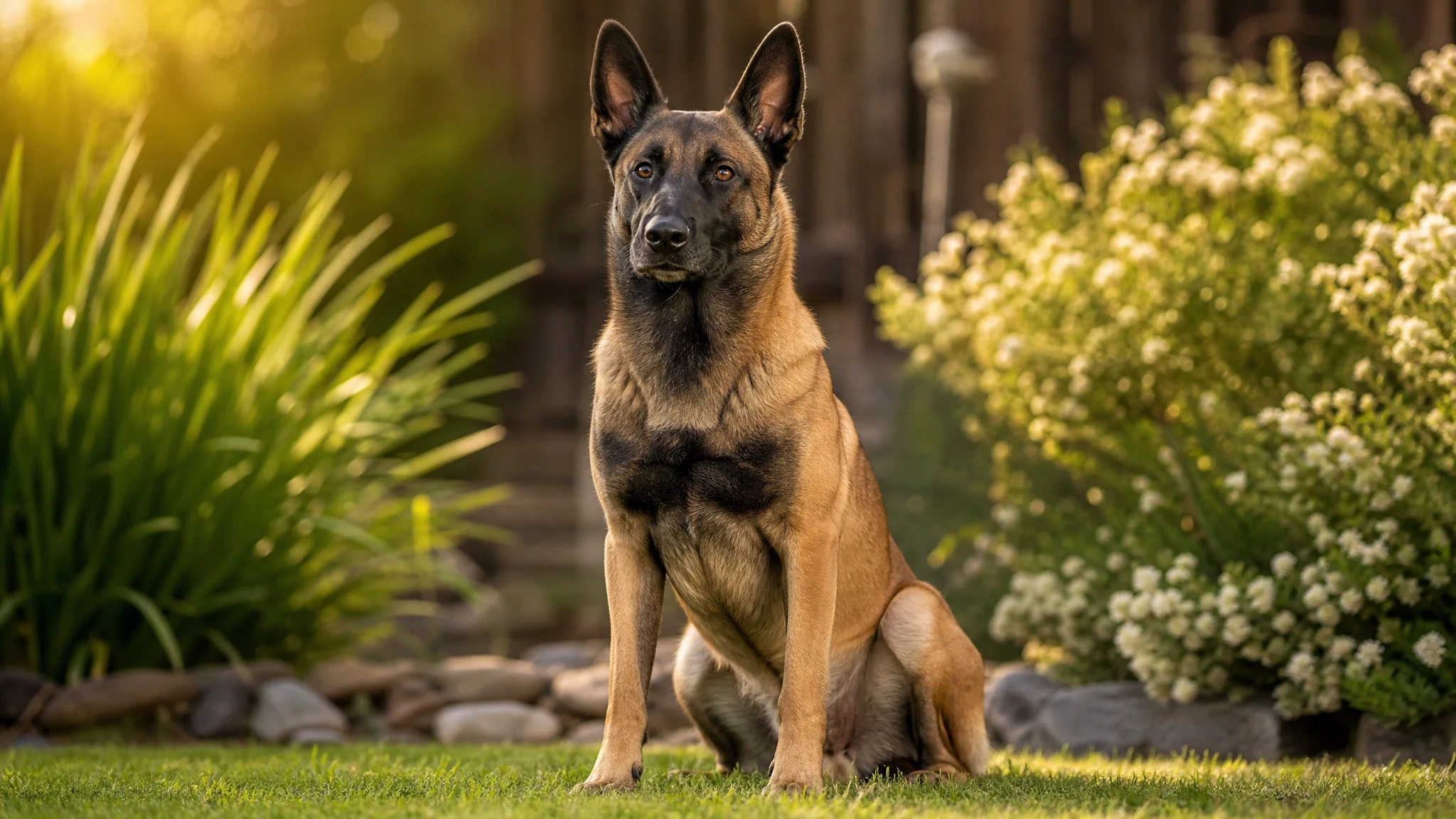
General training information. Every dog is an individual; for health or behavior concerns, see your veterinarian.
Belgian Malinois trainability is one of the most misunderstood parts of the breed. The dog learns fast, yet many new owners are overwhelmed. This FAQ explains why, using the AKC breed page, the AKC breed standard, and the American Belgian Malinois Club (ABMC).
Individual dogs vary. Treat these answers as a guide to the breed, not a promise about one puppy.
Trainability and Intelligence
Are Belgian Malinois easy to train?
They are extremely trainable, but that is not the same as easy. The ABMC says the breed does poorly with poor or insufficient training and is generally not a dog for the novice owner. The dog learns quickly, so good habits and bad habits both stick fast.
What is the Belgian Malinois trainability rating?
The AKC rates trainability at 5 of 5, where 5 means eager to please. That is the top of the scale. Keep in mind that the rating describes willingness to learn, not how much work the owner must put in.
Are Belgian Malinois smart?
Yes. The AKC breed standard describes the temperament as alert, intelligent, inquisitive and confident. The AKC summary of the breed reads confident, smart, hardworking.
If they are so smart, why do some owners struggle?
A quick mind needs somewhere to go. The ABMC says the breed needs training to control its high energy and exuberance and channel them into useful activities. The club also notes the intensity is more than many new owners are prepared for.
Do Belgian Malinois respond well to their owners?
Very well. The AKC breed standard calls the dog energetic yet highly responsive to the owner. That responsiveness is a big reason the breed shines when the person on the other end of the leash is clear and consistent.
Temperament
What is the Belgian Malinois temperament like?
The ABMC describes the breed as active, alert and responsive, and sensitive to changes in people and environment. It is affectionate with its own people and naturally protective without being overly aggressive. The AKC standard adds that the dog is an exceptional watchdog and loyal to its people.
Are Belgian Malinois friendly with strangers?
Not always. The AKC standard says the dog may be indifferent with strangers, and the AKC rates openness to strangers at 3 of 5. The ABMC says correct temperament ranges from bold and friendly to reserved and aloof.
Are Belgian Malinois aggressive?
Aggression is not correct for the breed. The AKC standard says fear or aggression is severely penalized, and the ABMC says a fearful or aggressive temperament is always incorrect. The club does warn that poorly bred, socialized or trained dogs may be shy-sharp, meaning snapping or growling from fear or aggression.
Are they affectionate and playful?
The AKC rates both affection with family and playfulness at 3 of 5, so they sit in the middle. The ABMC points out a high play drive and says trainers describe everything as a game to these dogs. Many Malinois enjoy retrieve games, according to the club.
Do Belgian Malinois bark a lot?
The AKC rates barking at 3 of 5, which is moderate. Since the breed standard calls the dog an exceptional watchdog, expect alert barking at sights and sounds. Teaching a quiet cue early with treats is a humane way to manage it.
Energy and Drive
How energetic is the breed?
The AKC rates energy level at 4 of 5 and mental stimulation needs at 4 of 5. The AKC says daily walks are not enough and that the dog needs to be actively engaged mentally and physically. Both body and brain need a job.
How much exercise does a Belgian Malinois need?
The ABMC says daily walks will not satisfy the breed unless the owner runs about 5 miles a day with the dog, and it calls a fenced yard necessary. The AKC notes they make good running, hiking and biking companions. Ask your veterinarian what is safe for your own dog's age and joints.
What is prey drive, and is it a problem?
The AKC lists high prey drive as a challenge, with a strong interest in moving objects. A Malinois may chase children, vehicles or other animals. The AKC says this drive should be directed into acceptable activities through training, so teach a reliable recall and play structured retrieve games.
What happens if a Malinois gets bored?
The ABMC says behavior problems show up when the dog is underemployed or neglected. It also warns that the breed is not for owners who work extended hours or travel often, because boredom gets the dog into trouble. Mental work such as scent games, trick training, and sports helps.
Who the Breed Suits
Are Belgian Malinois good for first-time owners?
Usually not. The ABMC FAQ says the breed is generally not for the novice owner. The club also says owners short on time or expertise may prefer an older puppy or young adult.
Are Belgian Malinois good with children and other dogs?
The AKC rates both good with children and good with other dogs at 3 of 5. The ABMC says never to leave one unsupervised with very small or unruly children. It also notes the breed can be protective, territorial, possessive and jealous, so supervision and early socialization matter.
Do protection-bred lines act differently?
According to the ABMC, IPO and protection-bred lines have higher energy and sharper character. Those dogs may not suit a first-time owner or a family pet. If you are choosing a puppy, ask the breeder directly about the lines.
Can a Malinois live in a kennel or be left alone all day?
No. The ABMC says the breed does not do well in a kennel situation and has a strong attachment to its family. A dog that spends most of the day alone is a poor match.
Training Methods and Puppies
What training methods work best?
Humane, reward-based training, in line with the American Veterinary Society of Animal Behavior. The ABMC says the breed learns very quickly and is sensitive to corrections, and that harsh corrections combined with poor technique cause trouble. Use treats, toys and play, and keep sessions short and clear.
When should socialization start?
Early. The AKC says early socialization and obedience training are musts. The ABMC recommends puppy kindergarten and a formal group obedience class, along with exposure to different people, dogs, new places and leash walks in familiar and unfamiliar settings. That exposure should continue throughout life.
Is a wild adolescent phase normal?
The ABMC says some puppies go through temporary phases in the first year, such as silly, overly exuberant, fidgety or suspicious. A well-bred, well-socialized dog outgrows them. Fear or aggression in an adult is never acceptable, so talk with a qualified trainer if worrying behavior continues.
Does training treat use make a Malinois overweight?
It can. The AKC notes the breed is prone to overweight, so watch calories and the treats used in training. Use small pieces and count them toward the daily meal, and ask your veterinarian about your dog's ideal weight.
Common Myths
Myth: Malinois are only police and military dogs.
The AKC says the breed was first bred around the Belgian city of Malines for herding sheep and cattle. The ABMC adds that it also protected the farm. Police and military K-9 work came later, and the ABMC also lists agility, obedience, tracking, therapy work and more.
Myth: A smart dog trains itself.
Intelligence speeds up learning but does not supply direction. The ABMC says the breed needs training to channel its energy into useful activities. Without clear guidance, a bright dog invents its own jobs.
Where to Start
If you are ready to build a plan, read our complete guide to training a Belgian Malinois. For breed-specific questions, check with the American Belgian Malinois Club or your veterinarian.