 Malinois
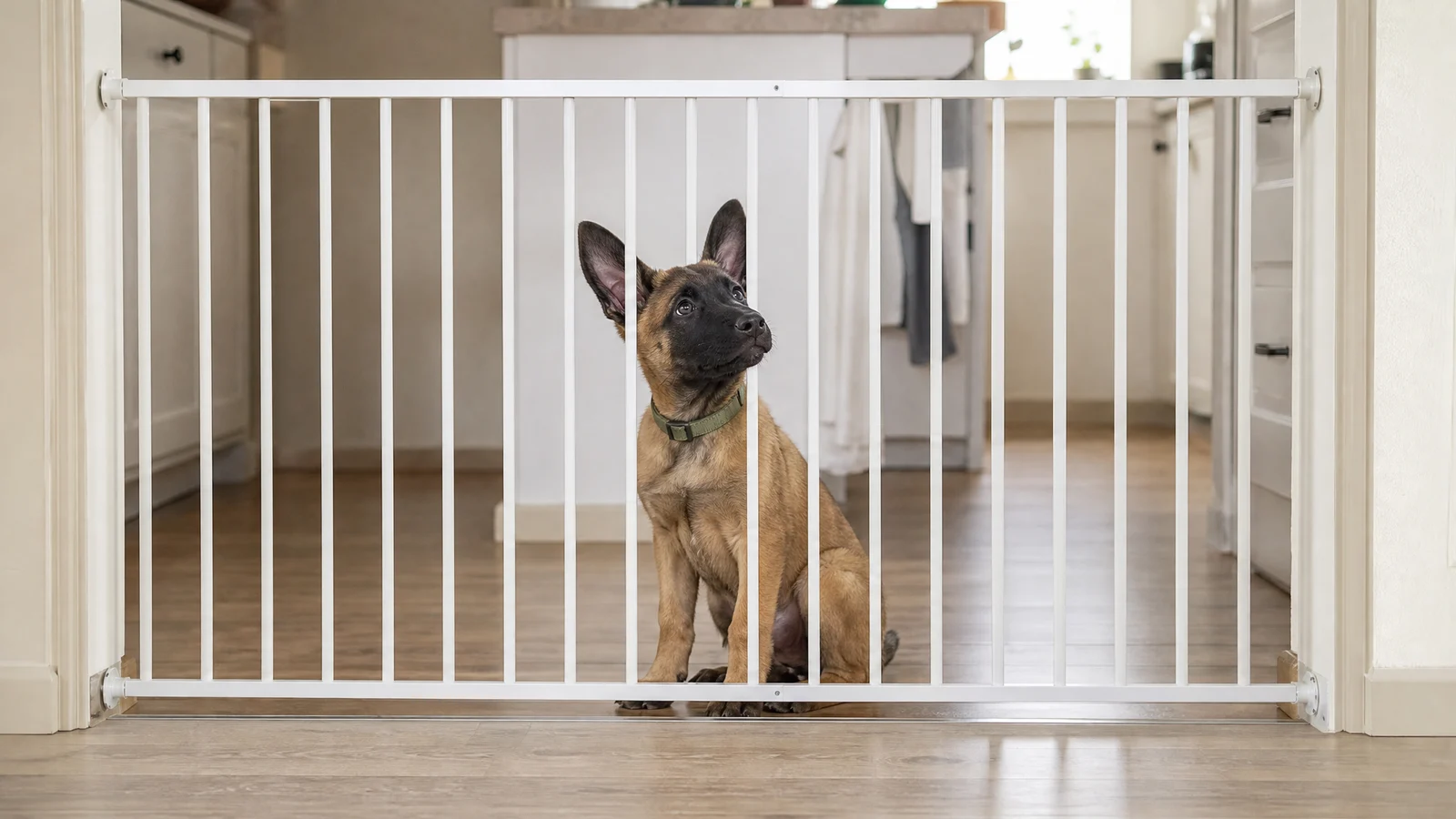
At 8 weeks, a Belgian Malinois puppy has reached a birthday, not completed a set of life skills. Age tells you which questions are timely, but it does not prove that the puppy can recover from a new sight, wait through excitement or carry a cue into another place. Those capabilities must be observed.
This roadmap runs from the first weeks home to 2 years, yet it advances through gates rather than automatic promotions. A gate opens when the current skill remains available under an appropriate, modest challenge. When it closes again during development, the plan returns to an easier version without treating the wobble as defiance.
This article looks at Belgian Malinois puppy training through safety, connection, social recovery, self-control, adolescence, distraction and adult work. You will be able to decide what to build next, what evidence shows readiness, and when the calendar should wait for the dog.
The First Belgian Malinois Puppy Training Gate Is Safety
The first gate is a puppy who can move through daily care without preventable chaos. Teach the name, the route to the potty spot, comfortable handling, voluntary entry into a safe resting area and a simple return to you. These foundations make every later lesson easier to arrange and easier for the puppy to understand.
The table defines each capability gate. Read across rather than down by age, returning to the final-column support whenever current evidence disappears instead of promoting the puppy on schedule.
| Gate | Evidence it is opening | Support when it closes |
|---|---|---|
| Safety | Follows simple household routes, responds to guidance, accepts familiar management and returns to ordinary activity without prolonged distress during the next familiar household transition | Reduce space, lower household motion, prepare rewards and guide the practiced route again before allowing more choice |
| Connection | Turns toward the person, takes a reward, follows through a small change and checks back without being called | Lower distraction, shorten the distance, simplify the setting and reward the first voluntary orientation before asking for duration |
| Recovery | Notices novelty, then softens, explores, takes food normally and re-engages with the handler after the event | Add space, make the exposure briefer, lower its intensity and restore a familiar activity afterward so recovery is visible |
| Self-control | Can pause before access, accept release, move away from the reward and settle after ordinary activity without restarting the game | Make the wait smaller, reduce excitement, make access easier to understand and reward the useful pause earlier in the sequence |
| Generalization | Performs a familiar skill after one planned context change without losing accuracy, reward-taking or recovery when the repetition ends | Restore the familiar setting, rebuild fluent responses with several easy repetitions and change a smaller feature next time |
Connection Precedes Puppy Training Distance
Keep the environment small enough that success is visible. Gates, leashes and closed doors prevent rehearsals while the puppy learns, and rewards mark the choices you want repeated. The goal is not strict performance. It is a predictable home in which the puppy can eat, rest, eliminate and reconnect with a person.
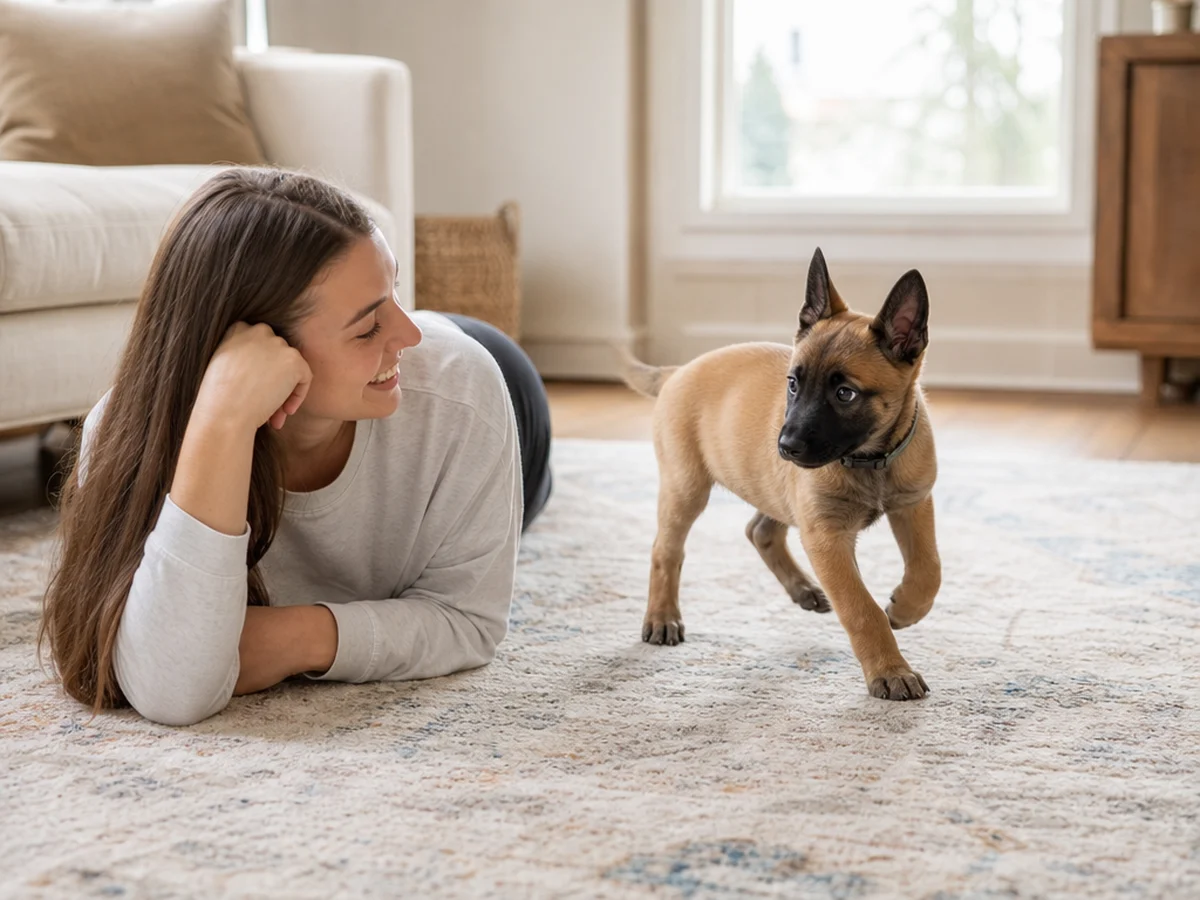
Connection means the puppy can orient to you while the world is still simple. Reward a name response, a voluntary look, following a few steps and returning from a tiny distance. These are not lesser versions of advanced obedience. They are the communication line that later survives excitement and motion.
Build the reward marker before demanding duration. The RSPCA explains that rewarded behavior is more likely to happen again, and it recommends short training sessions. Mark the exact choice, deliver food, play or praise promptly, then release the puppy before attention fades.
Do not increase distance because the puppy completed one bright repetition. Look for easy turns toward you across ordinary moments, including before meals, at doors and during calm play. When connection fails, shorten the space and reduce competing motion rather than repeating the cue from farther away.
Social Recovery Opens Puppy Training
Early social learning deserves urgency without overload. The AVMA identifies 3 to 14 weeks as the best period to begin socialization because young puppies are especially receptive to their surroundings. Use that window for safe, positive exposure, while letting the puppy's recovery decide how close and how long.
Socialization is not a collection of forced greetings. Let the puppy notice a person, surface, sound, dog or vehicle at a manageable distance, then reward a soft body and a return of attention. Withdrawal is useful information. Add space when the puppy freezes, avoids rewards or cannot look away.
The gate opens when novelty no longer owns the whole puppy. They can observe, take a reward, sniff, move normally and reconnect after a small surprise. It closes when each exposure leaves the puppy more vigilant or slower to settle. At that point, fewer and easier experiences teach more than another busy outing.
Belgian Malinois Puppy Training Adds Self-Control
Self-control begins as a very small pause between wanting something and receiving it. Ask for a brief wait before a bowl, doorway or toy, then release while the puppy is still successful. Add a mat settle after play so starting and stopping become equal parts of the training picture.
A Malinois is energetic and highly responsive, so excitement can make progress look faster than it is. A puppy may snap into position for a toy yet remain unable to stop the game or rest afterward. The capability gate therefore includes recovery, not only speed and accuracy during the active behavior.
- The puppy can pause without vocalizing, grabbing or leaving the activity entirely, then accept a clear release into the reward and return when the next repetition begins.
- They take the reward with a workable body, remain connected to the handler and can wait for the release without creeping forward as the reward comes into view.
- They can move from active play to a familiar settle with brief guidance, then remain there as breathing and posture soften, even though ordinary household movement continues nearby.
- They recover after a mistake, take information from the next easier repetition and offer the behavior again without frantic repetition, leaving the handler able to mark one clear choice.
Increase one feature at a time, such as a slightly longer pause or a little more movement nearby. Do not lengthen the wait and raise distraction together. The puppy should keep enough success to understand which choice opens access, rather than learning that the reward has become unreachable.
Adolescent Puppy Training Depends on Reliable Resets
Adolescence can make familiar skills look temporary. The useful question is not whether the puppy still knows the cue in theory, but whether they can reset after excitement and try again. A reliable reset may be a turn toward you, a move to the mat or a short retreat to a quieter distance.
The parent club warns that without intensive, long-term training Malinois can create their own destructive activities. Keep assigned work in the day, but do not answer every restless period with more intensity. Short cue practice, scent problems, structured play and real rest serve different needs.
When a known behavior breaks, lower the context before rebuilding the behavior itself. Shorten distance, remove one distraction or return to the room where the skill was fluent. Advance again when the dog can make an error, recover and respond without the entire session unraveling. Repeat that easier version across ordinary days until the reset is dependable, then restore one removed challenge and watch recovery again.
Distraction Training Expands One Context at a Time
Generalization means learning that the same cue applies beyond the room where it began. Dogs do not automatically transfer a kitchen stay to the yard, sidewalk or class. Treat each new context as a supported version of the familiar lesson, with easier criteria and stronger reinforcement at first.
Change one environmental feature while the others remain familiar. Move from one room to another before adding visitors, or practice in the quiet yard before working near moving traffic. If the dog cannot take a reward or orient to you, the context has changed too much for useful repetition.
Reward-based methods matter as difficulty rises. A 2020 study of 92 dogs found more stress behavior and larger cortisol increases in dogs from schools using mostly aversive methods than in dogs from reward-based schools. Keep the roadmap built around clear criteria, access and rewards rather than adding pressure when the setting gets hard.
Recovery Skills Open Advanced Puppy Training
Harder physical and mental work belongs after the dog can stop, release an object, return attention and settle following activity. Those are safety capabilities, not decorations around the exciting task. A dog who only accelerates is not ready for a more demanding workload, even if their body looks powerful.
Choose adult work that has a clear beginning, finish and recovery period. Scent searches, structured obedience and appropriate sports can give the Malinois an assignment without turning every day into constant activation. Keep regular vet visits, and ask your veterinarian about physical readiness before adding repeated impact, hard running or a sharp increase in exercise.
Two Years Opens a Longer Belgian Malinois Puppy Training Roadmap
At 2 years, the roadmap does not end. The dog may have adult strength while still needing support when context, routine or health changes. Keep the same gates: safety, connection, recovery, self-control and generalization. They remain useful because adult reliability is maintained through practice, not granted by age.
Review the dog in ordinary life. Can they notice movement and return attention, work and then rest, carry a familiar cue into a changed setting, and recover when something goes wrong? Those answers show where the adult plan is strong and where a simpler version deserves another round.
We take the long view with this breed. The Malinois was developed for sustained partnership and assigned work, and the parent club's warning about long-term training makes the finish line clear: there is no useful graduation from engagement. There is only a more mature cycle of work, recovery and review.
Let age open the question and capability open the gate. From the first week home through 2 years and beyond, advance when the dog can stay safe, think and recover at the current level. That produces a timeline shaped by the actual Belgian Malinois in front of you, not a calendar that cannot see them.
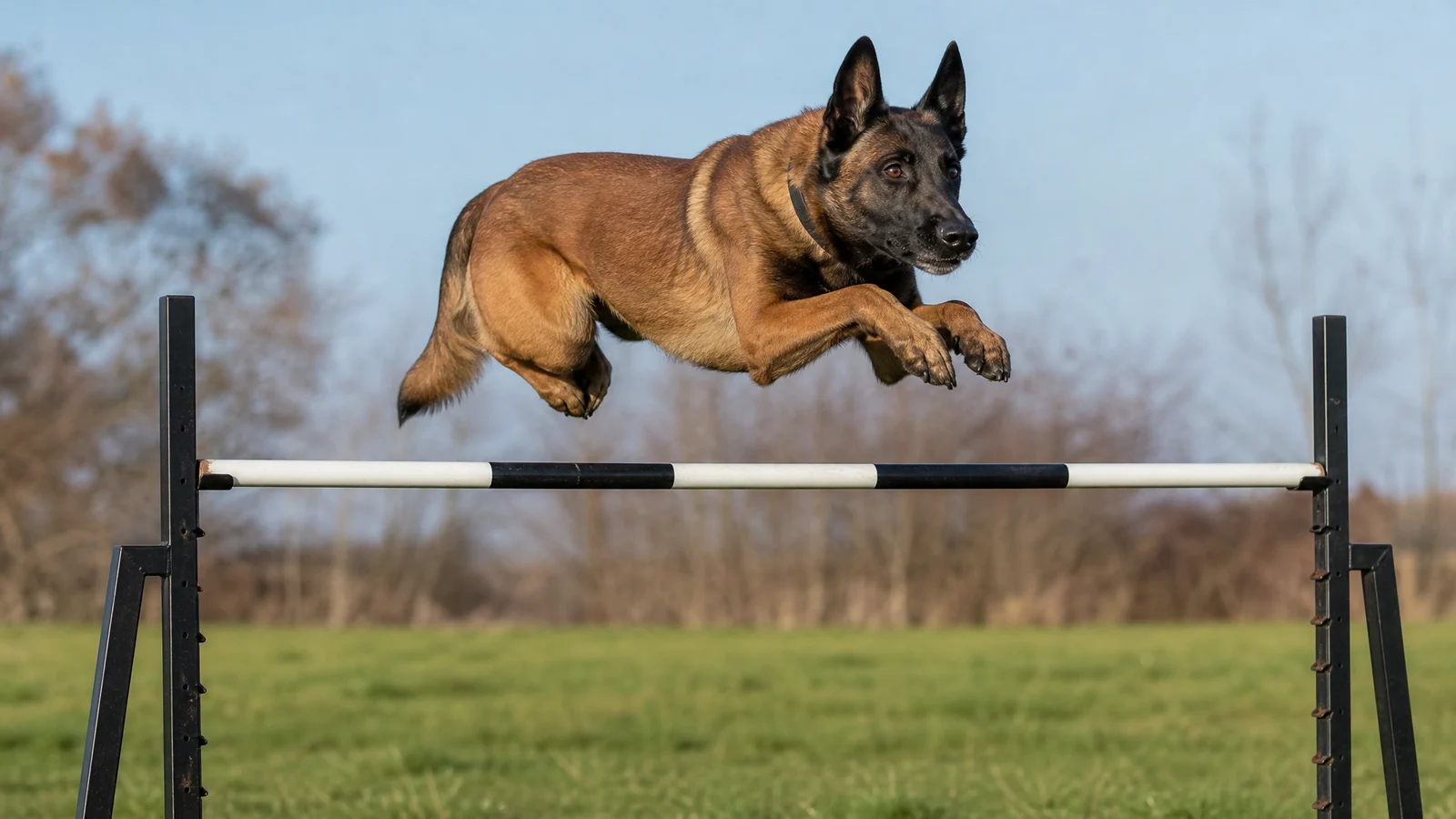 Exercise and jobsHow High Can a Belgian Malinois Jump? Teaching Wall Manners
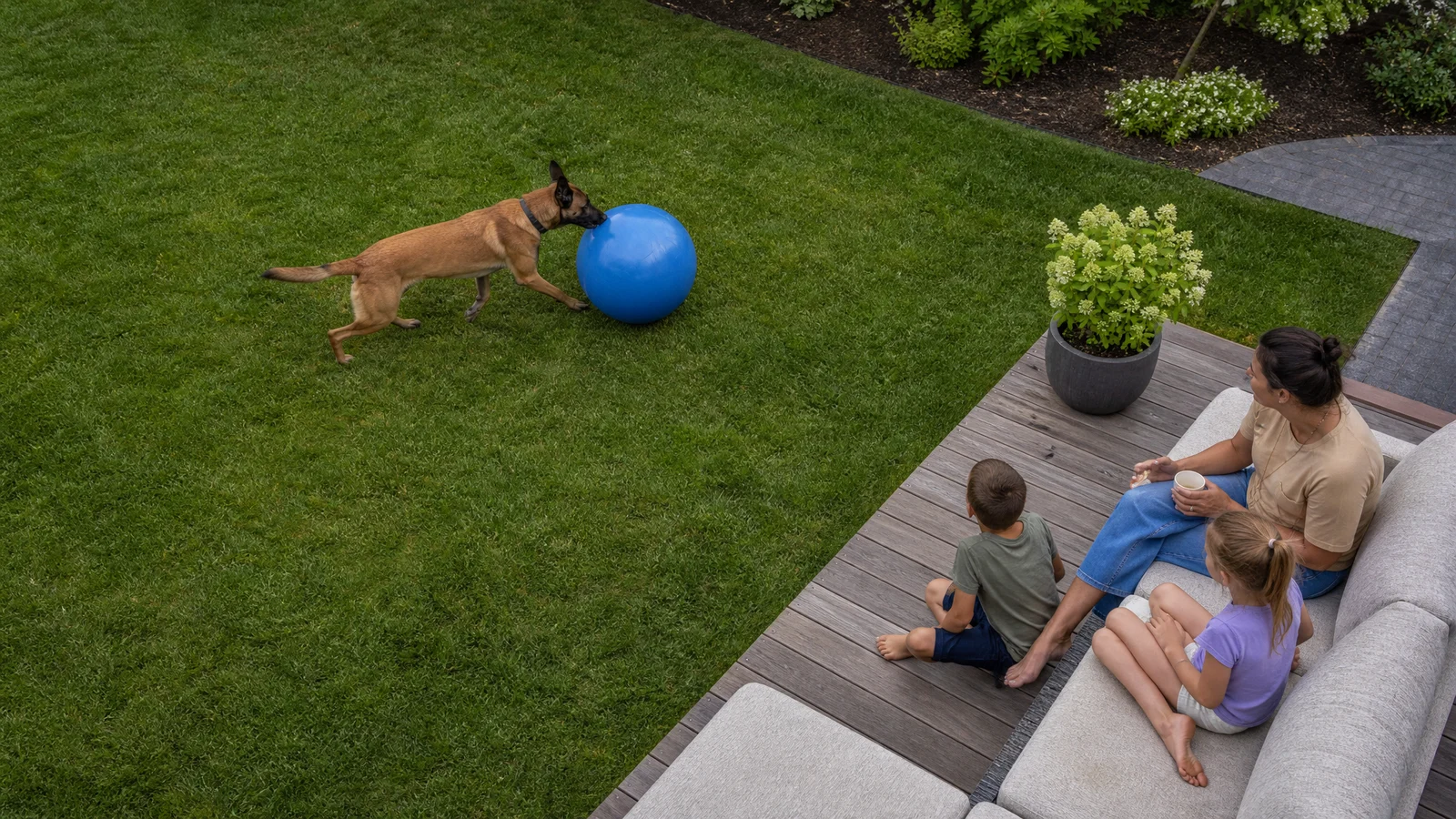 BehaviorBelgian Malinois Herding the Kids? Give Their Instinct a Job
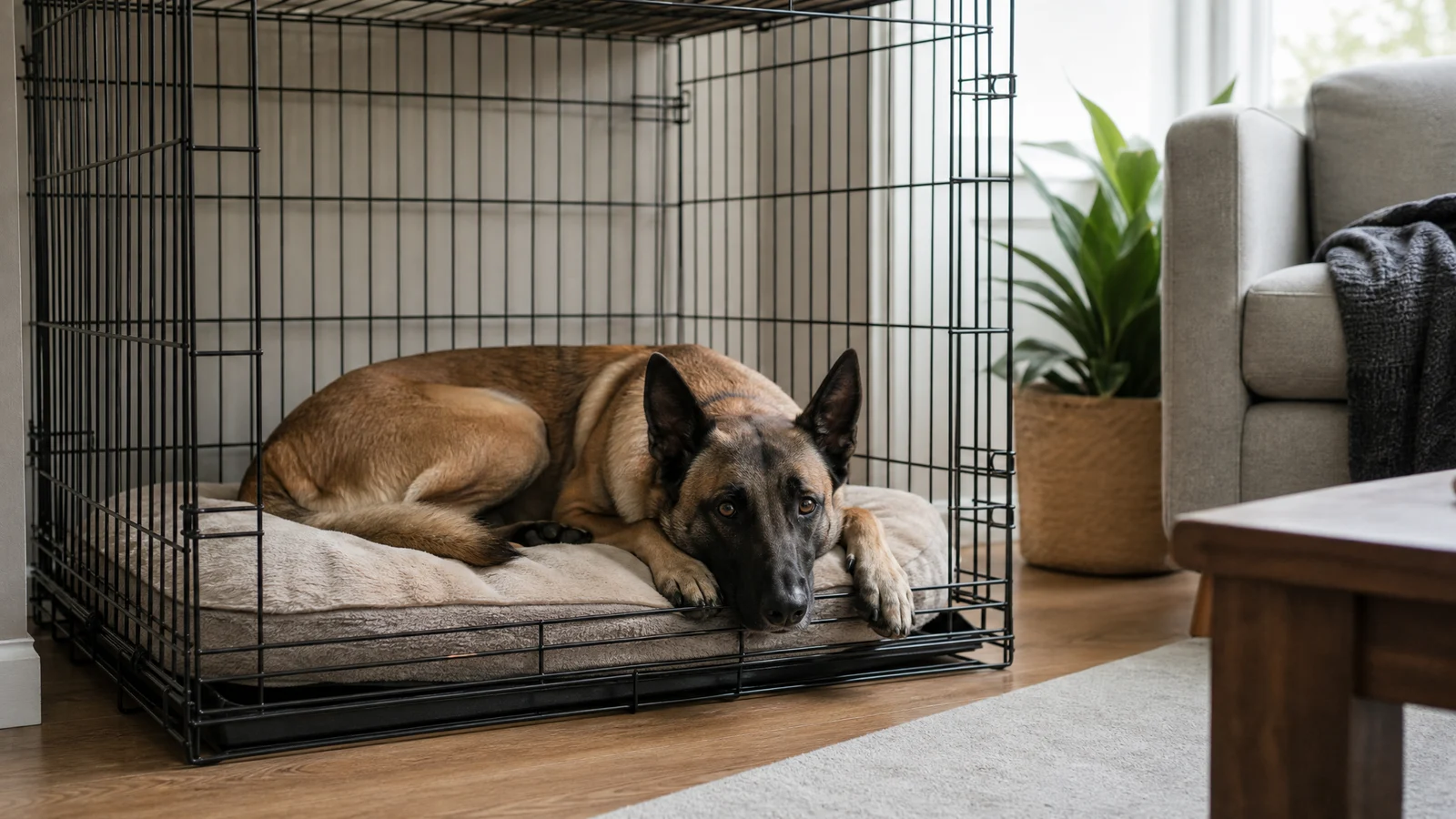 Training basicsCrate Calm and Alone-Time Skills for a Malinois Who Bonds Hard