 Malinois
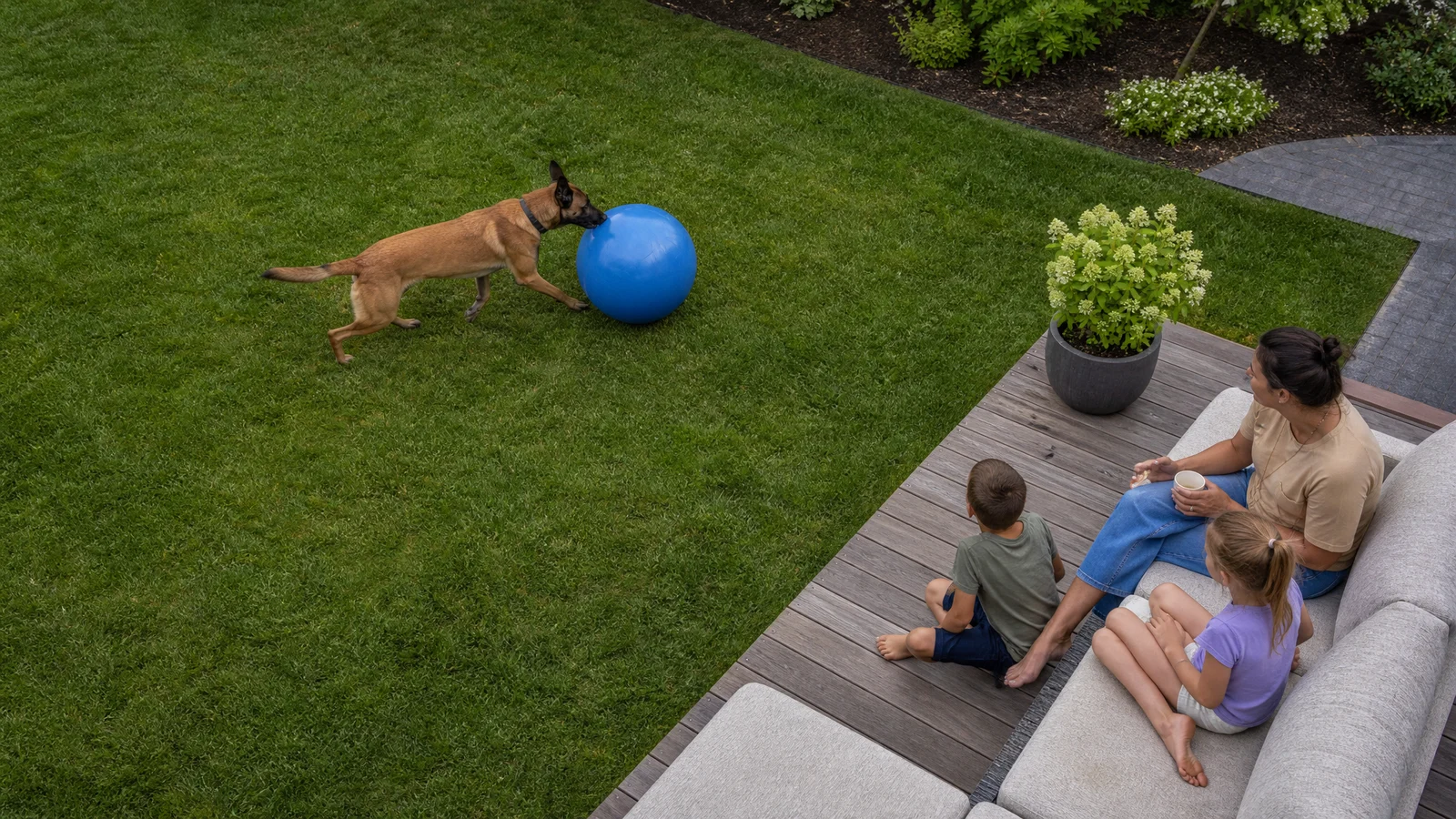
The breed standard describes a herding dog who is usually in motion and capable of working livestock all day, and the American standard adds a marked tendency to move in a circle rather than a straight line. The usual Herding Group advice follows from this: the interest in moving objects is natural, so direct that interest into acceptable activities through training.
Owners describe the same instinct in plainer terms: kids chased across the yard, heels nipped, cars stared at through the window. Handled badly, that drive turns a household into a maze of gates. Channeled well, it produces a partner who loves to work. Read on for what to set up before your Belgian Malinois arrives, how the first weeks and first year differ, how to tell play from prey drive, and what to expect once your dog is an adult.
Preventing Behavior Problems Before Your Belgian Malinois Arrives
Planning is the cheapest stage of training, because a decision made now costs far less than the same decision made after a habit forms. The dog coming home is a herder from the city of Malines in Belgium, one of four closely related Belgian herding breeds, with a strong interest in moving objects. We have trained this breed for many years, and the calmest households are the ones that expected the herding before it showed up.
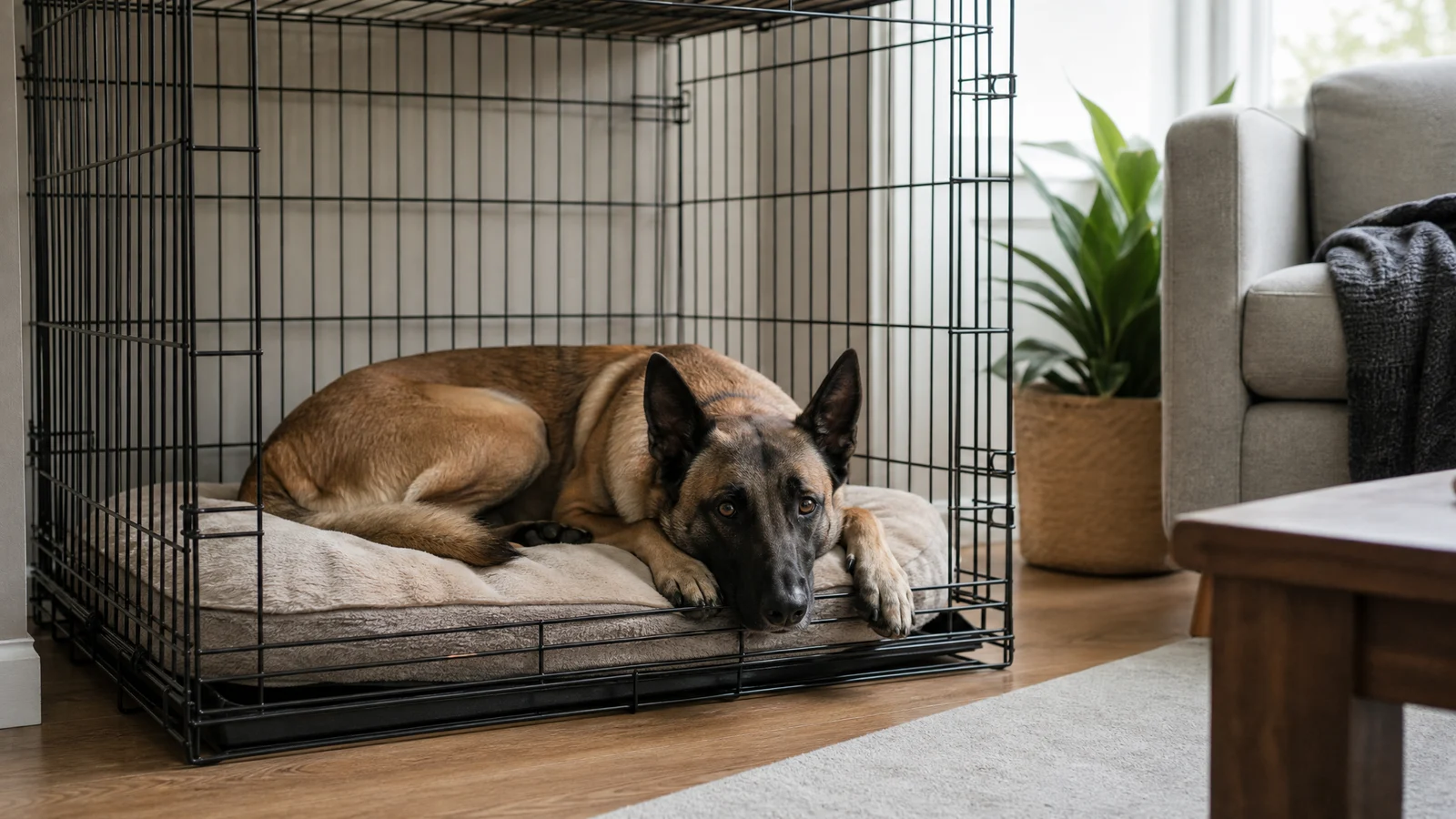
Then look at your space and your people. Gates and closed doors let you separate a young dog from small children and other animals while everyone learns the rules, and a crate or gated rest area gives the dog somewhere to settle. A yard helps, but the parent club warns that a Malinois without long-term training will create their own activities, and those can be destructive. Daily walks alone do not close that gap.
Decide on your reward currency too. Many Malinois care more about balls, toys, play and praise than food, so owners often use the toy as the main reward. That works until the ball tips the dog into overarousal. Owners who build food value through hand feeding, scatter feeding or high-value treats like chicken give themselves a second reward for exactly those moments.
Before day one, settle these questions with everyone in the house:
- Who handles daily exercise, which owners put at anything from about an hour of intense activity to 2–3 hours, and who covers when that person is away.
- Which rooms and times of day are puppy-free for children and pets, and where the gates and crate go.
- Which two or three rewards you will use, including a food reward you begin building in the first week.
- Which outlet you want to aim for later, such as scent work, tracking, agility, dock work or herding lessons.
- Which reward-based trainer or class you will use, and which veterinarian will do regular checkups.
Write the answers down now, because they are much harder to negotiate with an adolescent who is already practicing the habit.
First Weeks of Nipping and Circling Behavior Problems
The first weeks bring circling around your legs, long stares at anything that moves, and nips at heels and hands. All of it is normal for a breed with a tendency to move in circles, so the plan is to answer each moment with something better rather than wait for it to pass. Keep sessions short, with rest between them, because brief, upbeat reward-based practice keeps arousal from building and leaves your puppy keen to try again.
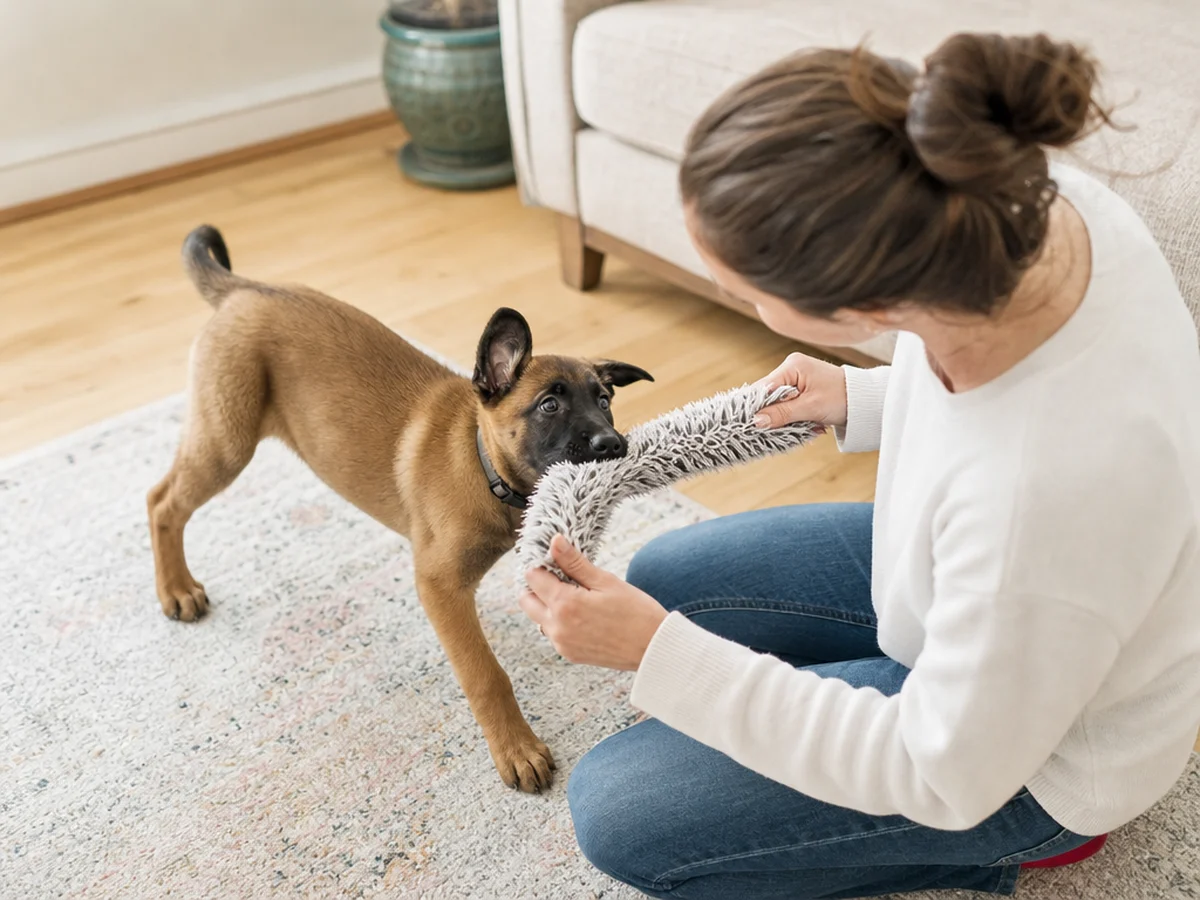
In the moment, use a calm interrupt rather than a scramble. Stop moving yourself, because movement feeds the chase, then use your marker word the instant the puppy looks away from the target and hand over a treat or toss a toy. The pattern you are building is look, mark, reward, and it applies to every target below.
Children and Running Feet
Children are the most common target because they run, squeal and change direction, which is exactly what stock does. Keep early meetings seated and calm, with an adult holding the treats and marking whenever the puppy chooses to look at the child instead of the motion. When a nip lands, end play for a few seconds, offer a tug toy and restart only when the puppy takes it.
Some puppies bite so intensely that ignoring it changes nothing, including outbursts at night after waking or after a noise. Owners report that crate time-outs with a reward for calm, tug toys, chews and tug-then-settle games help, though results are sometimes mixed. Treat that as a reason to stay patient and consistent, not a sign you are doing it wrong.
Other Pets in the House
Introduce cats and small dogs slowly, with a gate or leash between them, and reward every calm look. Keep early meetings short, supervise every one and give smaller pets an escape route above the puppy's reach. Praise and treats for relaxed behavior around other animals teach your puppy that staying calm is what pays.
Cars, Bikes and Skateboards
Moving wheels can set off the same chase, since the breed's prey drive and interest in moving objects can extend to vehicles. Start at a distance where your puppy can still take a treat, mark the first glance at the moving object and reward it.
This is the approach the RSPCA backs, saying training should be reward based: food, a toy or praise offered for a behavior you want makes that behavior more likely to repeat. Close the distance only as the glances come easily.
Expect these weeks to be repetitive, and count every calm glance as real progress.
Is That Belgian Malinois Chasing Play or Prey Drive?
Not every chase is a problem, and telling ordinary herding from true prey drive keeps you from both overreacting and underreacting. Owners describe a wide range, from mellow show-line, rescue or older dogs to extremely driven ones, and even the mellower dogs often keep notable prey drive. The table sets the usual signs side by side.
| What you see | Leans toward herding or play | Leans toward prey drive |
|---|---|---|
| Body | Loose, bouncy, circling, pausing to check on you | Locked stare, stiff body, silent stalking |
| Response to you | Still hears their name and can turn back | Seems deaf and refuses food |
| Target | Running kids, balls, bikes, moving objects | Small animals or unfamiliar small dogs, including pinning |
| Mouth | Soft nips at heels and sleeves | Hard grips and snapping jaws |
| Ending | Stops when the movement stops | Keeps fixating after the target is still |
The simplest field test is whether, at the start of a chase, your dog will still accept a treat and respond to your voice. If so, you are in workable territory and distance plus reward will carry you. If not, the dog is too far over threshold, so add distance, use a leash or long line, and never rely on recall alone near small animals.
Watch the ball too. A few owners report that intense ball drive created overarousal, with shaking from adrenaline, barking and jaw snapping. Others control it by restricting access to the favorite toy, using two toys for fetch and building a wait cue before the reward.
If reserve or tension with strangers is part of your picture, our piece on whether the breed is reserved and watchful covers it. A sudden change in behavior deserves a veterinary visit before any training plan.
Redirecting Behavior Problems in the First Year
The first year is where redirection pays off most, because the instinct is strong and the habits are still soft. The aim is to hand the herding drive a legal target before the dog picks their own. A sequence like this works for many households:
- Teach sit and wait before every door, bowl and toy, so self-control becomes the way to get what they want.
- Play fetch with two toys so the dog trades instead of holding on, and keep the favorite toy put away between sessions.
- Pair tug with a settle: play hard, ask for a pause, reward the calm and start again.
- Add a daily job, such as a short scent game or a few agility foundations.
- End every practice round on a high note, with your Malinois still keen to keep going.
Beyond games, look for outlets that suit the breed. Owners point to scent work, tracking, agility and dock work, and herding itself can be a real asset when it has a proper outlet. A second reward such as food gives you more ways to pay for that work, which is one more reason to build food value early.
Search work brings its own wrinkle: a young dog who cannot find the target may grow frustrated and distracted, and the fix is to make the search easier and reward the return to the task.
Keep the method reward-based. Several survey studies link reward-based methods with higher obedience. A 2020 PLOS ONE study looked at 92 pet dogs. Those from schools using mostly aversive methods showed more stress and larger cortisol rises after training, while dogs from reward-based schools showed less of both.
Expect a wild stretch somewhere in this year. Some owners see it in the first nine months, others around age two, and it settles with training and maturity. Plan for it now rather than being surprised.
Do Herding Behavior Problems Fade by Adulthood?
Partly, and the honest answer is more useful than a comforting one. Phases such as the wild adolescent stretch do settle, and many owners describe adult Malinois who are calm, snuggly and non-destructive at home, napping or relaxing, with the high energy showing mainly during play or exercise. The drive itself does not leave, though. Even the lower-drive adults owners describe often keep notable prey drive.
Recall is where adulthood shows its range. Several owners report good recall or loose-leash focus despite high prey drive, and some dogs even stop mid-chase when called. Others still ignore cues outdoors after heavy exercise, so their owners use leashes for fear of bolting and rely on an enclosed park for reliable obedience. Both are valid outcomes, and neither means you failed.
This is where we push back on a common line of advice: tire the dog out and the chasing will stop. Exercise matters, but a worn-out Malinois can still lock onto a bike. Training and management do the real work. Malinois behavior and training is our specialty, and the adults who behave best have had steady practice, not just long runs. For why learning comes so fast to them, see why the breed is so smart.
Judge maturity by predictability, not by the absence of interest. A dog who notices the cyclist and then looks to you is a success.
The Adult Belgian Malinois Around Children
An adult Malinois living with children needs rules for both sides, and the rules matter more than the dog's age. Supervise every interaction, especially around food, chews and favorite toys, because guarding can appear without warning, even in a dog who seemed relaxed a moment earlier.
Teach children to stand still when the dog gets revved up, to trade rather than grab, and to leave the dog alone on their mat or in their crate. Building trust around valued items with positive reinforcement and a drop cue is a sound reward-based habit for any home with children.
Daily structure does most of the work. Owners credit relaxation protocols, obedience practiced in public near distractions and a settled place in the home with calm, controlled behavior. Let children hand over the treat for simple cues like sit under your watch, so the dog learns that kids predict rewards instead of chases.
Outdoors, the adult plan is simple. Use a leash or long line near roads, bikes and joggers, and save off-leash work for enclosed spaces. Introduce visiting pets the way you did in puppyhood, slowly and with an exit. Keep an eye on small unfamiliar dogs even when your own dog has been fine with the family cat, since friendship with one animal does not mean safety with all.
Living With Belgian Malinois Behavior Problems for Life
Plan on the instinct staying for life. What changes is how it feels to live with. Many owners describe their Malinois as livable and free of home problems, and an active household makes a high-energy dog manageable. They are still a standing commitment, much like a mortgage.
Keep the structure that got you here. Give a daily job, keep rewards varied, rehearse recall and settling, and keep your regular veterinary checkups so any sudden behavior change gets a medical look first. Revisit your outlet every year, because a dog who loved scent work at one stage may want a new challenge at another.
Expect this over the long term: the drive never disappears, but it gets quieter, more predictable and easier to steer. The nips become glances, the stares become a look back at you, and the chase becomes a game you start on purpose. That outcome comes from the early months of patience, and it holds when you keep giving the herding dog something worthwhile to do.
 Training basicsCrate Calm and Alone-Time Skills for a Malinois Who Bonds Hard
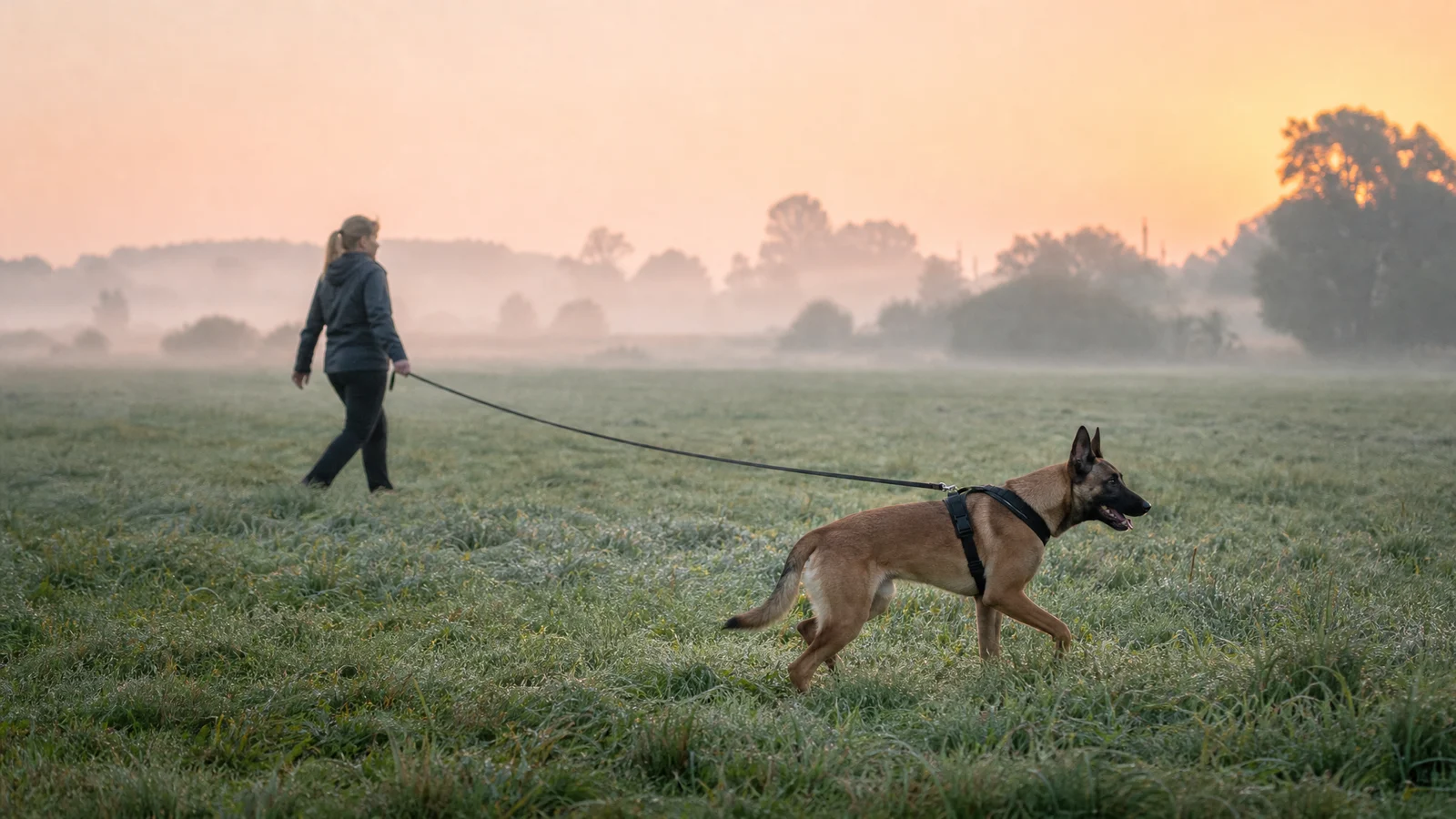 Exercise and jobsBelgian Malinois Exercise Needs: Is a Daily Walk Enough?
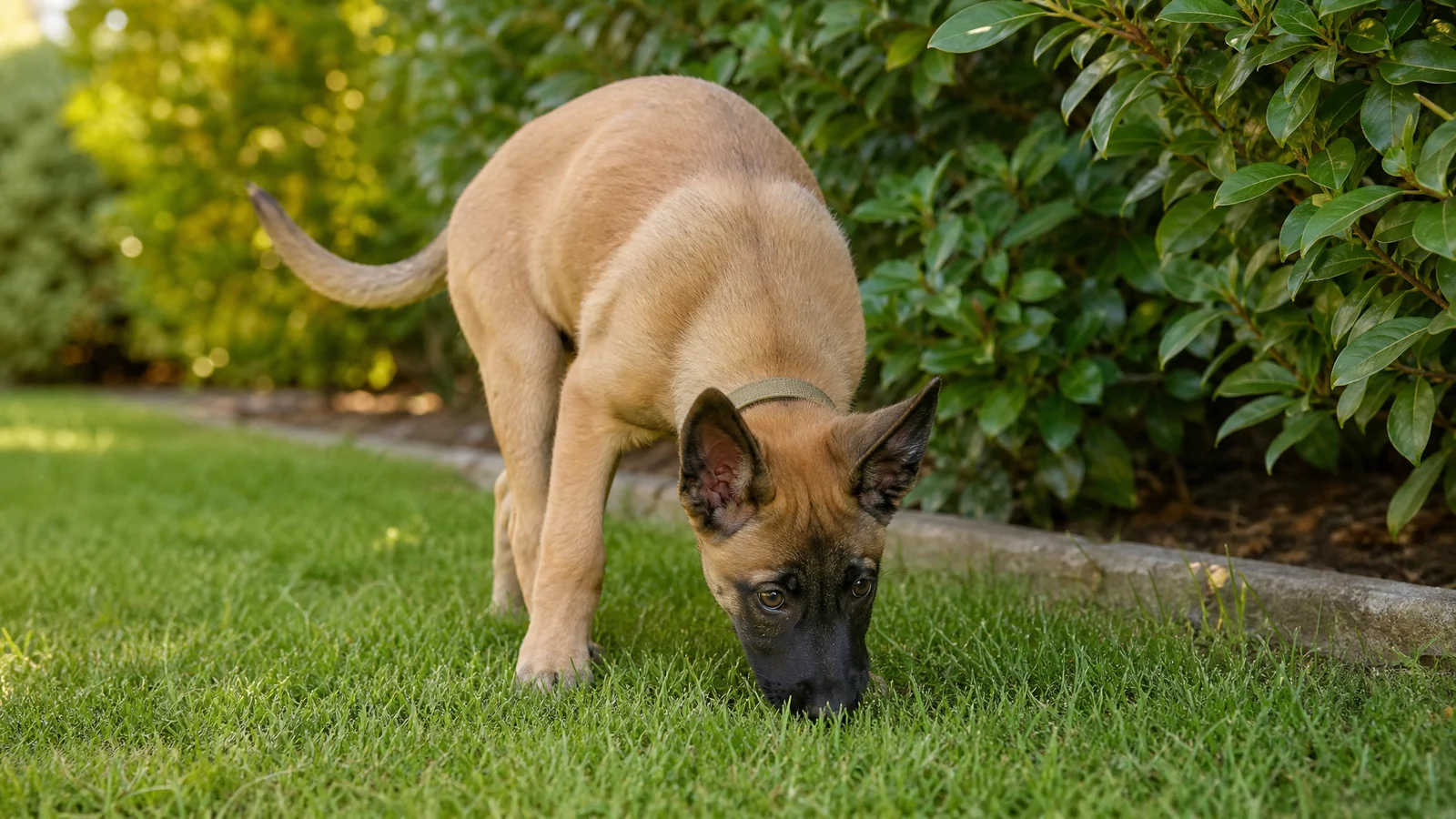 Training basicsHousetraining a Malinois Puppy With a Reward Schedule