 Malinois
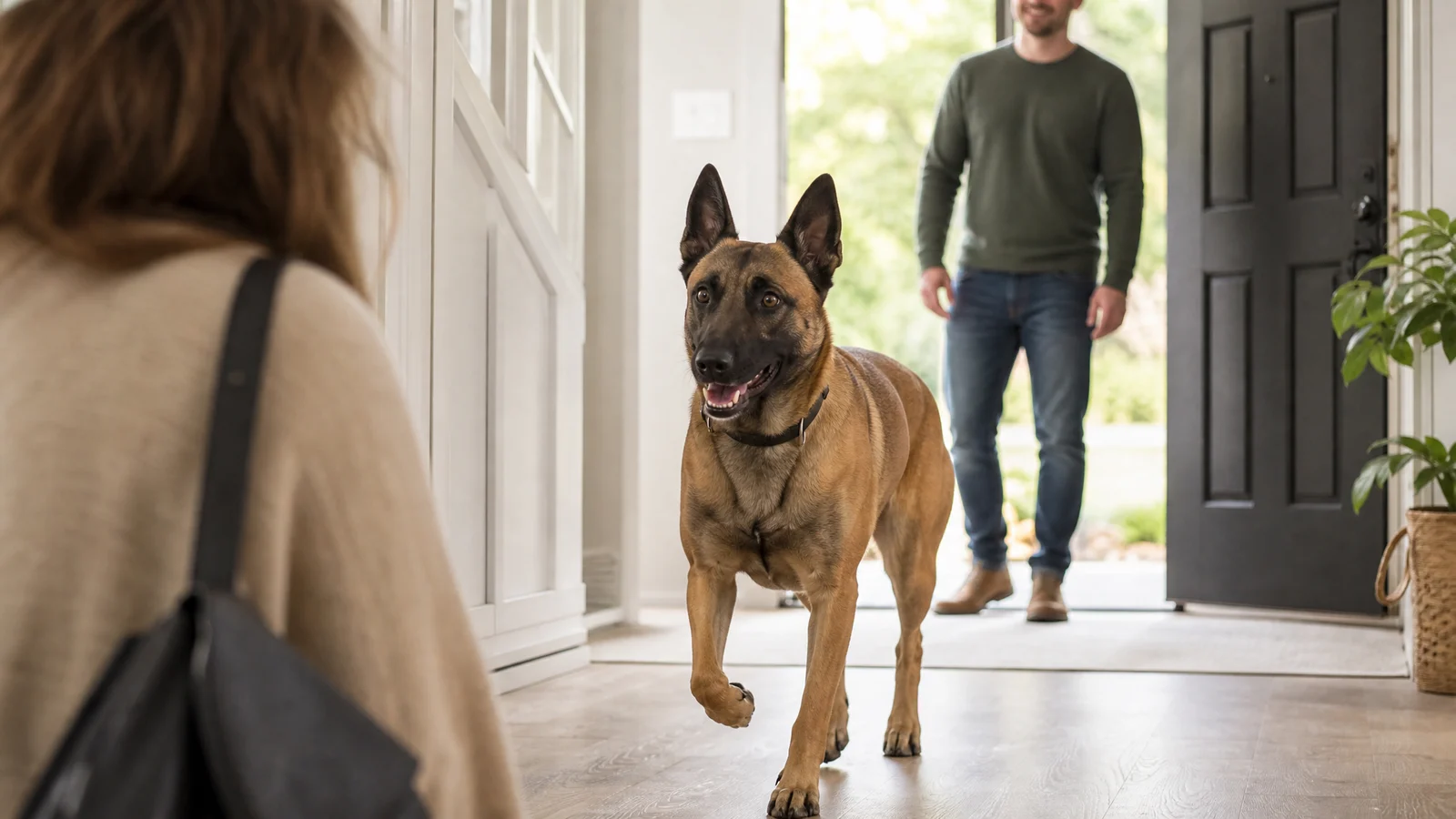
Some Belgian Malinois trot to the door with soft ears and greet a visitor with a wiggle and a sniff. Others stiffen at the first knock, bark in hard bursts, and hold the hallway like a gate. Same breed, same sleek build, very different evenings. So what separates them?
This article examines aggression in the breed through six common beliefs, helping you separate reserved from reactive, catch early warning signs, and arrange greetings that keep your dog and your guests at ease. We concentrate on how this one breed behaves and learns, and the labels people use are usually looser than the dog standing in front of you.
Handled well, that alertness becomes a dog who notices everything and trusts you to deal with it. Handled badly, it turns into barking, lunging and, in the worst cases, bites.
Reserved Is Not the Same as Aggressive
Start with the word that causes the most confusion. The breed standard describes a dog who is firmly loyal to the people they love and may be indifferent with strangers. Indifferent is the key word. A reserved Malinois sees a new person, decides it is not their business, and goes back to scanning the world with that intelligent, questioning gaze. The same standard says correct temperament shows neither fear nor aggression.
The breed-page rating for openness to strangers sits at 3 of 5, labeled ambivalent, right between reserved and everyone-is-my-best-friend. Owners fill in that middle in very different ways:
- Some Malinois are sweet and easy with nearly everyone, people and other dogs alike.
- Some are slow to warm up. People are put off at first by the look or the sound of the dog, and then the dog turns affectionate once they know the person.
- Some are selective, relaxed with most people but wary of particular types of visitor, and in some homes especially of men coming through the door.
So reserved covers only part of the picture. A reserved dog keeps a little distance and watches. An aggressive dog closes distance with a lunge, a snap or a hard, fixed stare. If your Malinois does the first, you have a normal member of the breed. If they do the second, you have a behavior problem worth working on now.
Protective Does Not Mean a Belgian Malinois Bites
The AKC rates the watchdog and protective nature of the breed at 4 of 5, near the vigilant end of its scale. People read that number and picture a dog waiting for a reason to bite. The standard tells a different story. It calls the Malinois an exceptional watchdog who is vigilant yet responsive, a balanced partner, and it penalizes displays of fear or aggression severely.
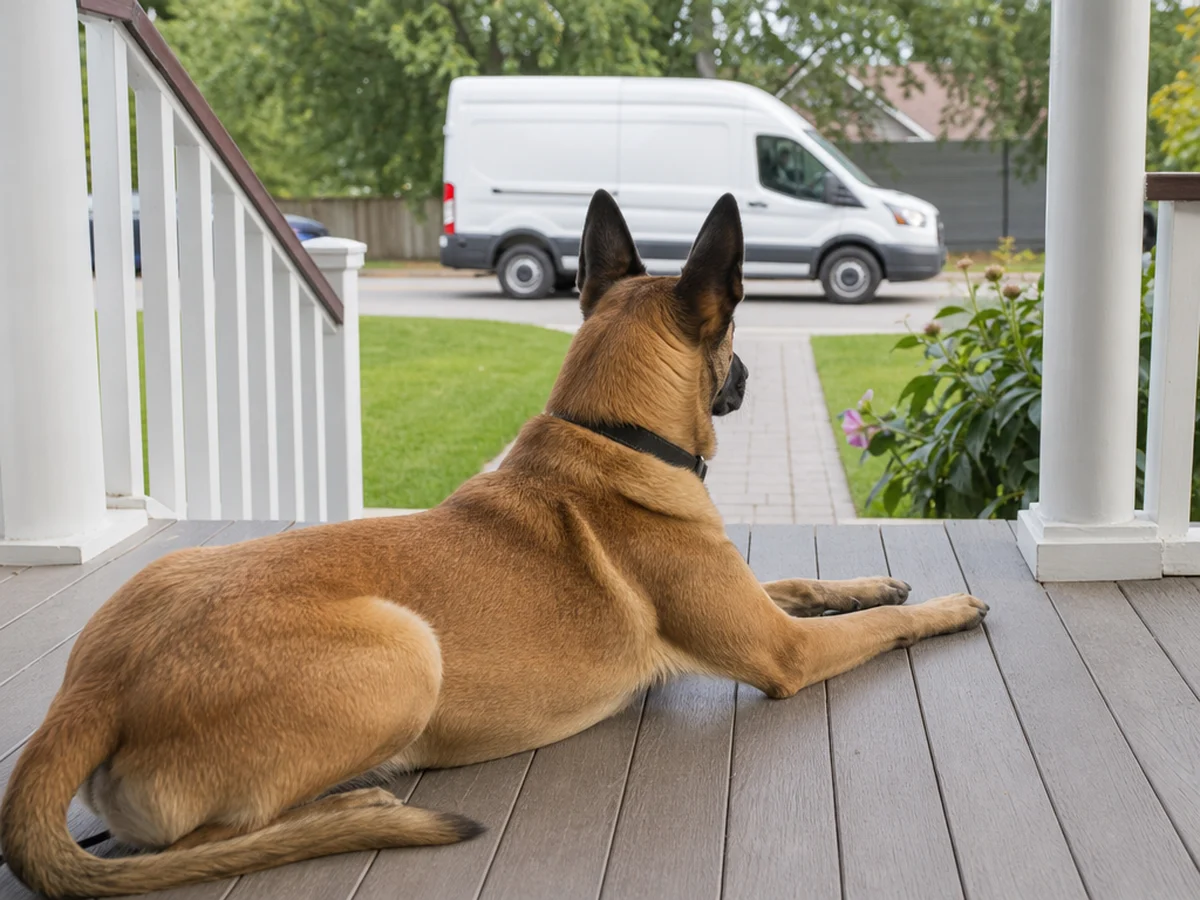
Vigilance means noticing. A watchful dog hears the van before you do, tracks the stranger on the sidewalk, and tells you about it. What happens next is partly management. Many owners report strong territorial instincts, even in dogs they call low-drive. Some dogs dislike people coming into the home and answer with barking and distance. Some owners crate the dog when visitors arrive, and others warn people to pet at their own risk.
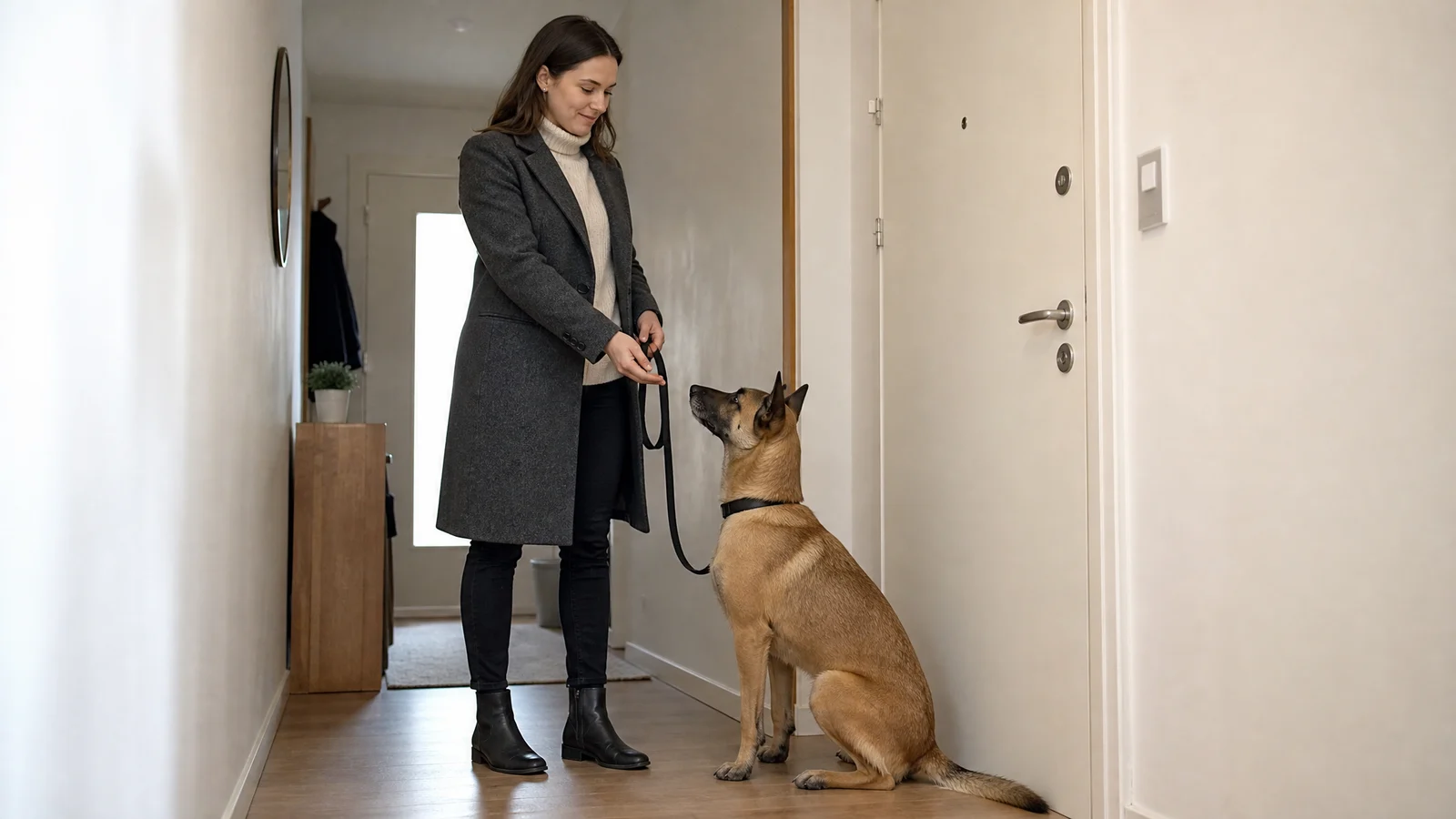
We do not teach guarding, because the alertness arrives ready-made. Your job is to give it a calm outlet at the door. Here is a simple routine:
- Start by teaching a solid settle on a mat, somewhere quiet, and build it until your dog does it easily.
- Practice with a recorded knock or doorbell, rewarding the dog for staying on the mat.
- Add a helper outside who rings, waits, and comes in only when the dog is calm.
- For the first greetings, use a leash or a gate to keep your dog back, and ask the guest to ignore them.
- If the dog cannot settle, give them a chew in another room. That is good management, not failure.
Some advice says to let a barking watchdog bark because that is their job. Rehearsing hard barking at every knock mostly builds a dog who is harder to live with.
Police Dog Fame Says Little About Belgian Malinois Pets
Photos of Malinois on police and military teams shape what people expect from the whole breed. Those dogs are selected from working lines, matched with handlers, and trained for years toward a specific job. Search and rescue, detection, service and therapy teams are built the same way. What you see in the clip is the end of a long, professional process, not the factory setting of the dog on your couch.
The pet Malinois shares the raw material. The breed is described as smart, confident and versatile, a worker who forms an unbreakable bond with a human partner. The parent club says Malinois are bred to be taught and given tasks, and it warns that an underutilized dog is a frustrated dog, and a frustrated dog is not a good housemate.
That is where family dogs get into trouble. Without intensive, long-term training, Malinois invent their own activities, and those can be destructive. This is not a breed to leave in the backyard, and daily walks alone are not enough. Chasing is a related issue. The breed has a high prey drive and a strong interest in moving objects, which can mean chasing children, vehicles or other animals. Our article on the herding instinct shows where to send it.
So fame tells you the breed is capable. It does not tell you your dog is dangerous. It tells you your dog needs a job, daily.
Fear and Frustration Drive Most Aggression
Many owners assume an aggressive dog is a bold dog, but the pattern is often the opposite. Owners who live with wary Malinois often trace the wariness to fear. A fearful dog normally retreats, according to the ASPCA's aggression guidance, but may turn aggressive if cornered or trapped. Some fearful dogs have gone on to bite even after good early socialization, including neighbors and visitors. They were fine with dogs and frightened of people, or the reverse.
Fear has more than one source. In the case of noise fear, vets list a bad experience, thin early socialization, an underlying illness, or anxieties that worsen with age. The same logic applies to fear of people. That is one reason regular vet visits matter, and why a sudden change in behavior deserves a call to your vet.
Frustration is the other driver. Many owners see arousal around other dogs: jumping, spinning and chain biting at the leash. These dogs are often not trying to fight. They are overwhelmed and under-employed, and a high-energy breed with a mental stimulation need rated 4 of 5 has plenty to be frustrated about. Owners report gradual improvement from calm handling, praise and small bits of chicken delivered while the other dog is still far away.
Learn the early signs so you can act before a bite.
Watch for a body that goes still and stiff when a person approaches, or a hard stare that does not blink or look back to you. Some dogs back away and then bark from a distance, and others growl when anyone but their own people touches them.
When you see any of these, add distance and let the dog decide how close is comfortable.
Socialization Cannot Rewrite a Belgian Malinois
Early socialization and obedience are musts for the breed, and the stakes are real. According to veterinary behaviorists, incomplete or improper socialization in the puppy window raises the risk of later fear, avoidance and aggression. Start early and keep going.
But the belief that socialization will make any dog friendly with everyone goes too far. A dog socialized late can become much more comfortable, even if they stay a little cautious and end up much better around people and dogs. At the other end, rescued or reactive dogs may never enjoy meeting every person or dog. For them, socialization is rehab, and the goal is calm management, not a social butterfly.
Both children and other dogs score 3 of 5 on the breed page, which the scale labels as with supervision. Here is what realistic looks like:
| Situation | Realistic goal | What to reward |
|---|---|---|
| Strangers | Neutral and relaxed, not adoring | Looking at the person, then back at you |
| Other dogs | Calm passing at a comfortable distance | Loose body, checking in with you |
| Children | Relaxed near calm kids, always supervised | Staying settled while kids move nearby |
| Visitors at home | Settling on a mat or in another room | Quiet, staying on the spot |
A dog who tolerates the world politely is a success, whether or not they ever ask for a pat.
Harsh Handling Makes Aggression Worse
With this breed, calm and rewarded practice is what lowers the risk of aggression. The Malinois is rated 5 of 5 for trainability, eager to please, and the standard describes a dog highly responsive to the owner's direction. That responsiveness is the lever.
Wariness of people is often rooted in fear, so the goal is a dog who learns that strangers predict good things. Pay for relaxed looks at a person, give plenty of distance, and let them decide how close to go. A dog who feels safe keeps showing you their warning signs, and that gives you time to step in early.
Think about what a fearful dog is asking for. They are asking for room. Giving it is not weakness, it is a way to keep the warning signs visible so you can work on them. Pushing a wary dog toward a stranger, or holding them in place for a greeting, removes the exits that keep them calm.
Use what works instead:
- Increase distance until your dog can look at the trigger and still take a treat.
- Mark the moment of calm with a word, then pay with something small and special.
- Interrupt rising arousal with a calm cue and a change of direction, not with anger.
- Use a short time-out or end the play session when excitement tips over, then try again later.
- Manage the setup with leashes, gates and crates so your dog is never practicing the behavior you do not want.
If your dog has bitten, or you suspect they might, bring in a reward-based behavior professional with proper qualifications as soon as you can, and keep up regular vet visits so pain can be ruled out.
The One Aggression Habit to Start Today
The Malinois was built to notice things and to work with a person. Aggression usually shows up when that attention has nowhere safe to go. So give it somewhere to go, today, with one short, low-pressure meeting.
- Pick one person your dog has not met, calm and willing to follow instructions.
- Stand far enough away that your dog notices them but can still eat a treat.
- Ask the person to ignore your dog completely, with no staring, no reaching and no talking to them.
- Reward every glance, every soft breath, every moment your dog looks at them and then back at you.
- End while it is still easy, within a few minutes, and go home.
That is the whole protocol. Repeat it tomorrow with a little less distance only if your dog stayed loose. Reserved is not a flaw, and reserved with a reward history of relaxing is exactly the calm, watchful companion this breed can be. Set up one short meeting today and reward the calm.
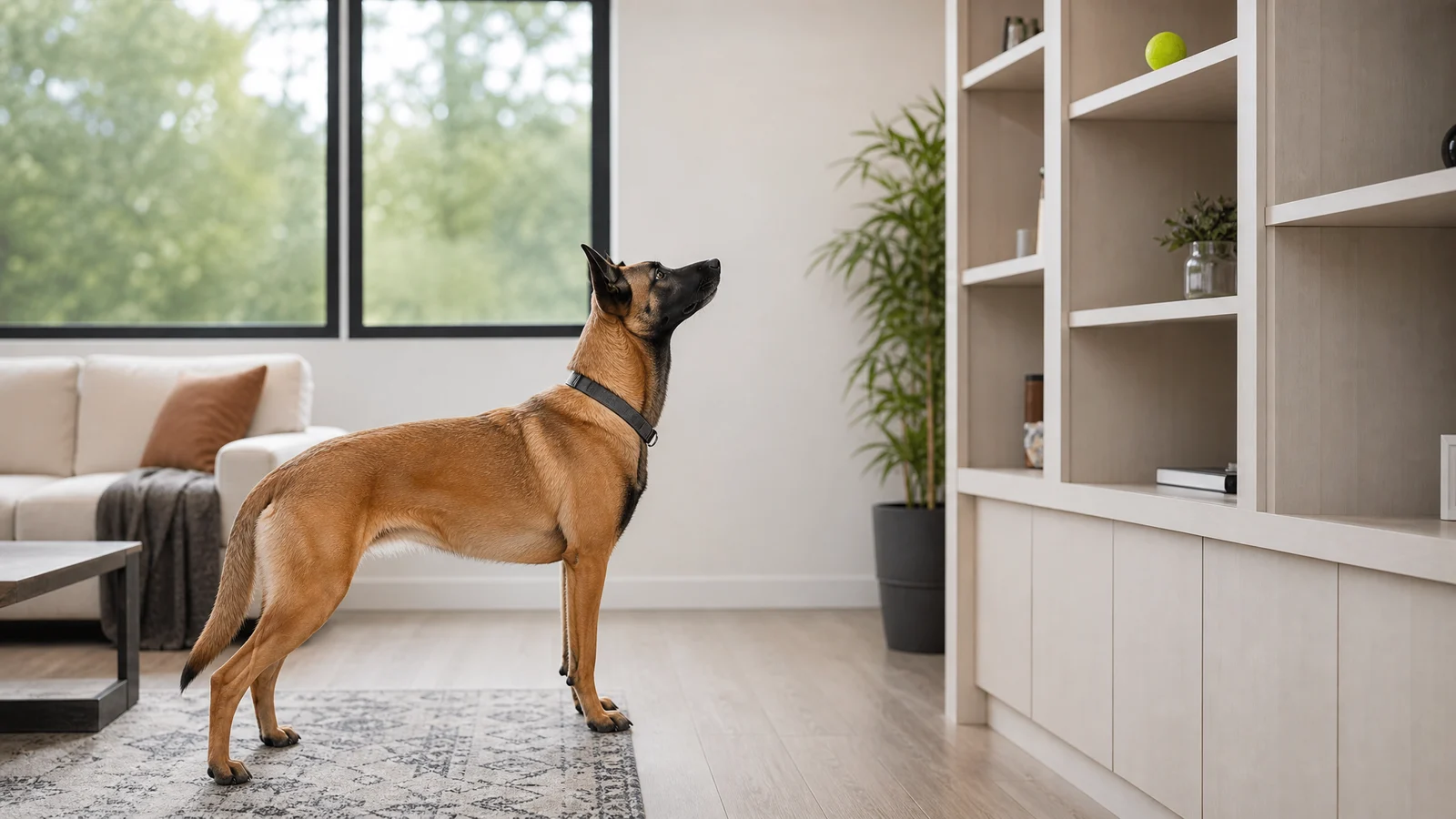 BehaviorKeeping Belgian Malinois Ball and Toy Play Fun, Not Frantic
 BehaviorBelgian Malinois: Frustration barking
 CareDo Malinois Shed a Lot? Make Brushing a Training Habit