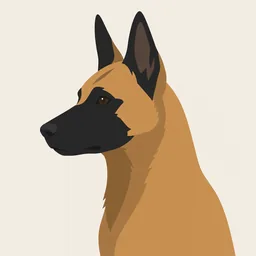
 Malinois
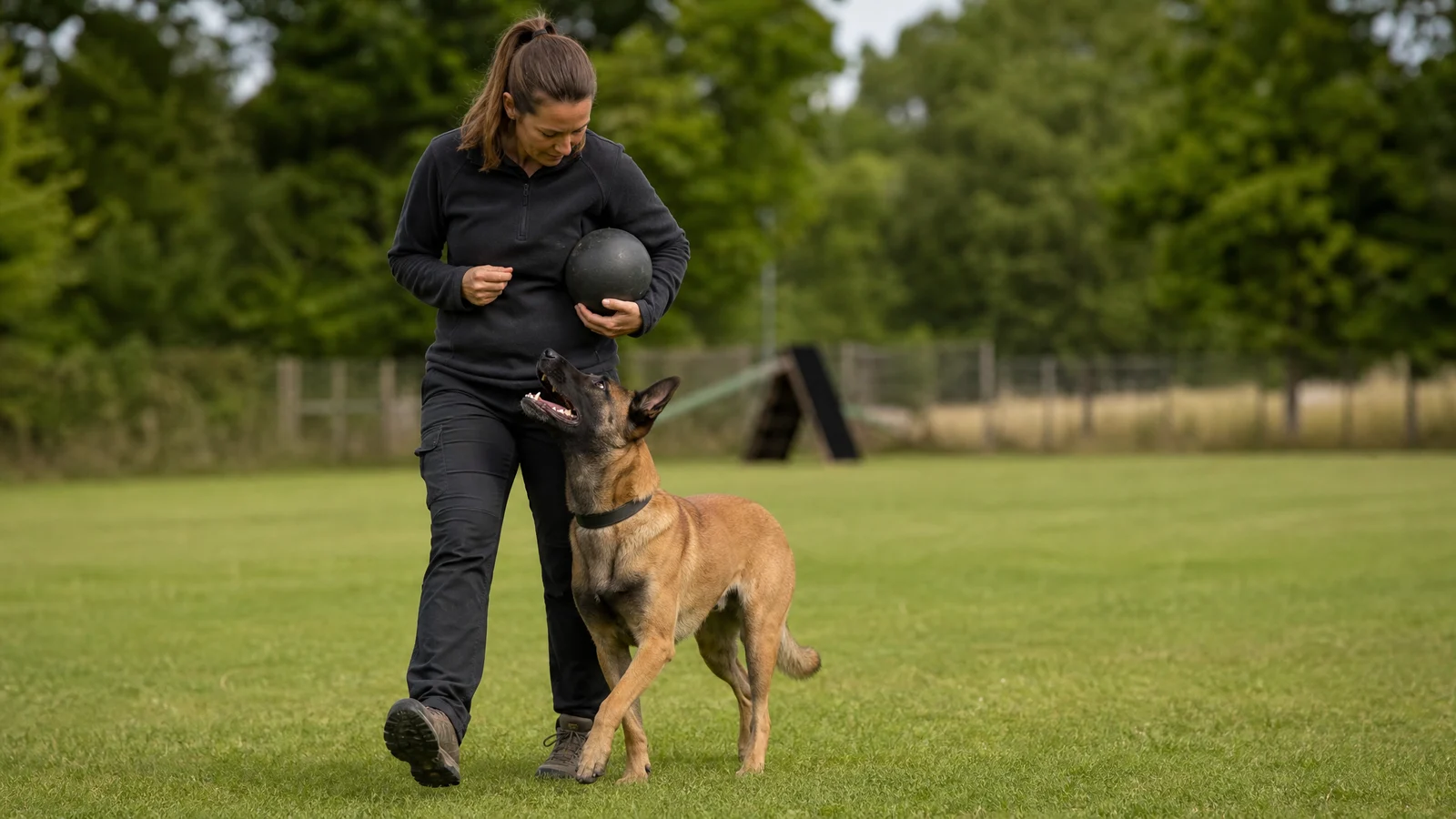
Picture a police-dog video: a Malinois sails over a barrier and answers every cue, and an hour later the pet on your rug is shredding a cushion and ignoring sit.
The gap is not talent, because your dog has plenty. Working dogs are trained on structure and purposeful reward, and the breed's intelligence and easy trainability only pay off when someone supplies both. Without them, that same brain invents its own projects, usually destructive ones. With them, you get a fast, willing partner. We have trained this breed for many years and specialize in its behavior, so we know which parts of that world travel home.
We'll walk you through what to borrow and what to leave to professionals, then rewards, gear, practice spaces and a daily routine, and finally how dog sports and clear progress signs show whether it is working.
K9 Methods Worth Borrowing for Dog Sports
Military and police programs combine two kinds of ideas. Some are teaching habits any owner can use, such as short drills, clear criteria and prompt payment. Others are specialist tasks that belong to agencies and trained handlers. Sort them first, and the rest of this article builds the toolkit for the first group.
Then diagnose your own dog, because drive differs a lot from one Malinois to the next. Show-line, rescue, older and washed-out dogs are often mellower or medium-drive, though many still show notable prey drive. Others are extremely driven. A medium-drive dog needs play built up so that rewards mean something. An extremely driven dog needs the opposite: calm, and a wait before anything fun happens.
This table sorts common K9 habits by what suits a pet home.
| K9 habit | For your home? | Why |
|---|---|---|
| Short, structured sessions most days | Borrow | The breed needs work on a virtually daily basis, and short sessions keep arousal manageable. |
| A written picture of success | Borrow | A fast learner copies exactly what you pay for, so decide the criteria before you start. |
| Marker word and prompt payment | Borrow | The marker tells your dog the exact moment that earned the reward. |
| A toy as pay, with a wait first | Borrow | Many Malinois work harder for a ball or play than for food. |
| Specialist agency tasks | Leave to professionals | They belong to agencies and trained handlers, not to pet training. |
The reason to borrow the first group is simple. The qualities that make the Malinois ideal for military and police work are the same ones that make it imperative for owners to commit to working actively with them daily. A K9 team has a handler, a schedule and a steady supply of rewards. In a pet home, you supply all three.
Expect chasing instincts too. Like most herding breeds, Malinois have a high prey drive and a strong interest in moving objects, which can lead to chasing children, vehicles or other animals. Direct that drive into acceptable activities through training instead of hoping it fades.
If you add a class, choose with care. A 2020 study of 92 companion dogs found less stress and lower cortisol increases after training in dogs who came from reward-based schools.
Dog Sports Reward Choices
Handlers treat a reward as pay for a specific piece of work, and they pick the currency before the session starts. Pay is also their main steering tool, because the dog learns that good things arrive through the right behavior. For a pet Malinois, three decisions matter: what to pay with, when to pay, and how to end the fun.
Choosing the Reward
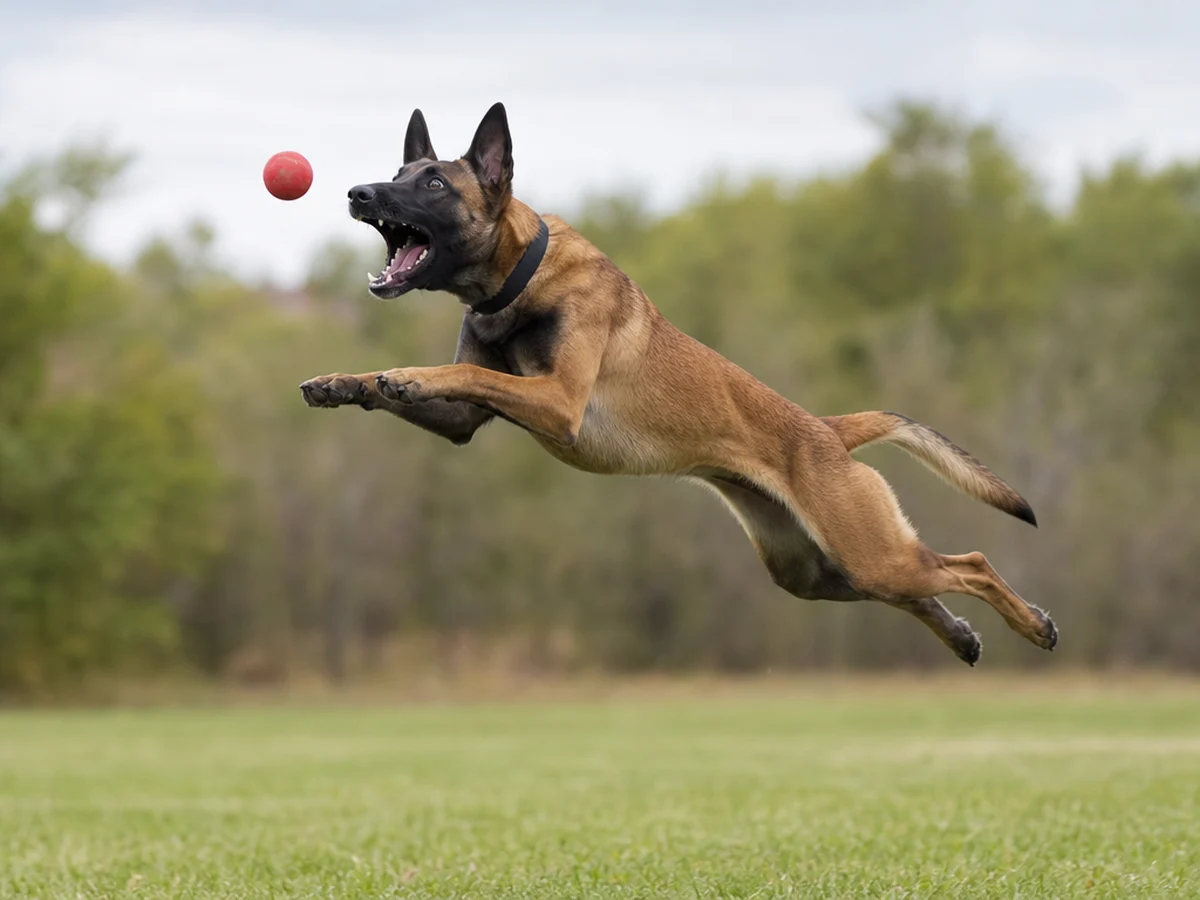
Many Malinois work harder for a ball, toy or play than for food, so owners often make the toy the main reward and build a wait before it. Hold the toy, mark calm, then release your dog to it. That small pause turns a game into a lesson in self-control.
If your dog ignores treats, they may simply not have learned that food is worth working for. Owners report building food interest through hand feeding, scatter feeding and high-value treats such as chicken. Some also hold back part of a meal before training. Either way, you end up with a second currency beside the toy, and the toy stays in reserve for the moments you want most.
This is general information about using food and play as rewards. Check with your veterinarian before changing your dog's meals or feeding schedule, and keep up regular vet visits.
Timing the Pay
A Malinois learns quickly, and that cuts both ways. If your reward arrives late, you pay for whatever came last, such as a glance at your pocket. Use a marker, a short word or a click that lands the instant the behavior is right, then pay. First charge it: say the word, deliver a reward, and repeat until your dog looks up expecting payment.
Then deliver the pay where you want the behavior. If you want your dog beside your knee, feed there. If they snatch the treat and bolt, you are paying too far from the position you asked for.
Ending a Game on Cue
Here the toy's downside shows. Intense ball drive can create overarousal, with shaking, barking, jaw snapping and habits you never planned. When you see those, the game is running the dog. Restrict access to the favorite toy so it appears only for work, and use two toys for fetch so the game has a built-in swap.
Teach a clear finish cue. Say it, trade the toy for a treat, put the toy out of sight and ask for a settle. If your dog cannot stop, end sooner next time, pause play calmly with a quiet time-out, and give rest between rounds. Short sessions of about 15–20 minutes with rest in between help keep excitement lower.
Belgian Malinois Dog Sports Gear
A handler's kit is smaller than it looks in videos. For a pet, the useful pieces support two jobs: keeping your dog safe while they practice, and letting you pay on time. Everything here works through reward and timing.
- A well-fitted harness gives you secure control on walks and a clip point for the long line when your dog surges toward movement.
- A long line lets your dog practice recall and stays at a distance while you keep a safe hold, which matters in a breed this interested in moving objects. Use it in open space until recall is reliable.
- A marker, either a clicker or a word, is the heart of the kit. A word is always with you, and a clicker is crisp and consistent. Pick one and stay with it.
- A treat pouch keeps rewards at hand so payment arrives on time, and two toys give you a built-in swap for games.
Skip retractable leashes, because a constantly changing length makes clear criteria impossible. Skip any gadget that promises results without your timing, too. If pulling or lunging is your main problem, our guide to loose-leash walking goes deeper.
One diagnostic rule applies to all of it. If your dog stops taking treats outdoors, the gear is not the problem. The setting is too hard, so add distance from the distraction until the marker works again.
Dog Sports Practice Spaces
Handlers pick a place for each kind of work, so the location itself tells the dog what behavior is expected. A Malinois reads rooms quickly, and you can use that. The table lays out four spaces and what each one teaches.
| Space | What it teaches | How to use it |
|---|---|---|
| Mat | Settle and stay in place | Pay on the mat, then carry it to new places so the skill travels. |
| Crate | Calm rest and alone time | Keep the door open at first and pay for walking in on their own. |
| Quiet room | Focus with few distractions | Teach every new skill here before testing it anywhere else. |
| Yard with limited distractions | Skills with mild distraction | Work with your dog in short bouts, never as a place to leave them alone. |
The yard is a classroom, not a kennel. This is not a dog who can be left outside, and daily walks are not enough either. For the crate side of the toolkit, see crate calm skills, which pairs well with mat work.
Skills do not travel automatically. If your dog nails a stay on the kitchen mat and breaks at the back door, they have not failed. The lesson simply belongs to the kitchen. Make the task easier by shortening the stay, standing closer and paying richer, then build back up. Change one thing at a time, so when something breaks you know which change caused it.
The Daily Dog Sports Routine
Working dogs live on a schedule, and the same rhythm settles a pet Malinois. The breed scores 4 of 5 for both energy and mental stimulation needs, and daily walks fall short of that. This undercuts a piece of common advice: running a Malinois until they drop does not replace a job, so a long run often produces a fitter dog who still wants work. What helps is a predictable day built from short drills, real rest and a slow finish.
The Morning Drill
Start with a focused session at the same time each day. Obedience on a schedule beats obedience whenever the dog demands it, because your Malinois learns that work arrives on your terms. Keep it to about 15–20 minutes, rehearse a few skills such as the mat stay, a recall and a heel, and use part of breakfast as pay if your dog likes food. End on an easy success.
Balancing Work and Rest
An underutilized dog is a frustrated dog, and without intensive, long-term training Malinois create their own activities, which can be destructive. So spread small jobs across the day. If your dog is restless after a session, the cause is usually too little thinking work or too little rest, not too little distance.
If your dog zooms around the house after training, add a rest period on the mat with a chew before the next round. If they get bored quickly, shorten the drill and change the reward or the location. And if the day still feels thin, add an everyday task, since owners describe dogs who help with chores, keep the household on schedule or have jobs they were given and ones they assigned themselves.
Some owners report that a long daily walk plus helping around the property was enough, with no formal training or sport at all. Watch your own dog. If they settle and stay out of trouble, the balance is right.
The Evening Wind-Down
Decompression is a skill for this breed. Finish with a slow sniffing walk, a calm chew and a few minutes of settle practice on the mat. Avoid high-intensity games late in the day, since a dog who is wound up at bedtime will not find the off switch alone. Reward quiet lying down, and keep up regular vet visits so any restlessness caused by discomfort is caught early.
Dog Sports Give Belgian Malinois Jobs
The breed club says Malinois excel at agility, herding, tracking and obedience, and a Malinois thrives with training and a job to do. Sports give you a safe version of the tasks working dogs perform: a clear job, a handler partner and a payoff. Specialist agency tasks stay with the agencies.
Sports That Fit the Breed
Match the sport to your dog. Obedience rewards the stays and fast responses you built in the earlier sections. Scent work and tracking use the nose, and K9 Nose Work teaches dogs to find scents tucked away both inside and outside, with early lessons that hide a beloved toy or treat in just one of a few boxes. Agility rewards speed and body awareness.
If your dog is extremely driven, choose sports with a built-in wait, such as obedience and scent work. If they are mellower, almost any of them works. Check with your veterinarian before starting jumping or hard running with a young dog, and read about wall and fence manners before agility.
Trying a Sport at Home or at a Club
You can test the waters at home before you pay for a class.
- Set out several open boxes, hide a favorite toy or treat in one, and mark and pay when your dog finds it.
- Move the boxes to other rooms, then outdoors, so the search grows in difficulty.
- Turn your mat stay into a start-line stay and your recall into a game at a distance.
- Visit a club and watch before joining. Look for an instructor who uses positive methods, understands your dog's needs and goes at a pace that suits you both.
For most pet owners, sport carries the useful ingredients of working-dog life, a clear task and a partner, without needing a professional program behind it.
Belgian Malinois Progress Signs and Pro Help
Progress with a Malinois looks quieter than you might expect. It is less a flashy trick and more a dog who recovers faster. The aim of everything above is a smart, driven dog who has daily work and a partner, so they stop inventing their own projects. Here is how to tell that it is working.
- Your dog settles on the mat sooner and stays settled longer, even with household activity.
- Familiar cues get quicker responses, with less repeating from you.
- After excitement, such as a round of fetch or a passing dog, they return to you and take food again quickly.
- Skills survive a change of room, then the yard, then a class, with only a small step back.
- Destructive projects fade as work fills the day.
Look for a qualified behaviorist or trainer whose methods are reward-based when any of the signs below show up. For anything sudden, book a veterinarian visit first, since regular checkups catch problems that look like behavior.
- Guarding of food, toys or spaces, with stiffening, growling or snapping.
- Redirected biting onto you or another dog when aroused, such as after a game or a frustrating moment.
- Fear in everyday situations, such as hiding, cowering or avoiding.
- Aggression that appears suddenly, or a change in behavior with no clear cause.
- Stress signs that keep returning in training, such as heavy panting or tense posture, even after shorter sessions and easier criteria.
Any one of these is a reason to call for help, not to push harder on your own. Steady daily work plus early help gives your Malinois the best chance of becoming the responsive partner the breed is known for.
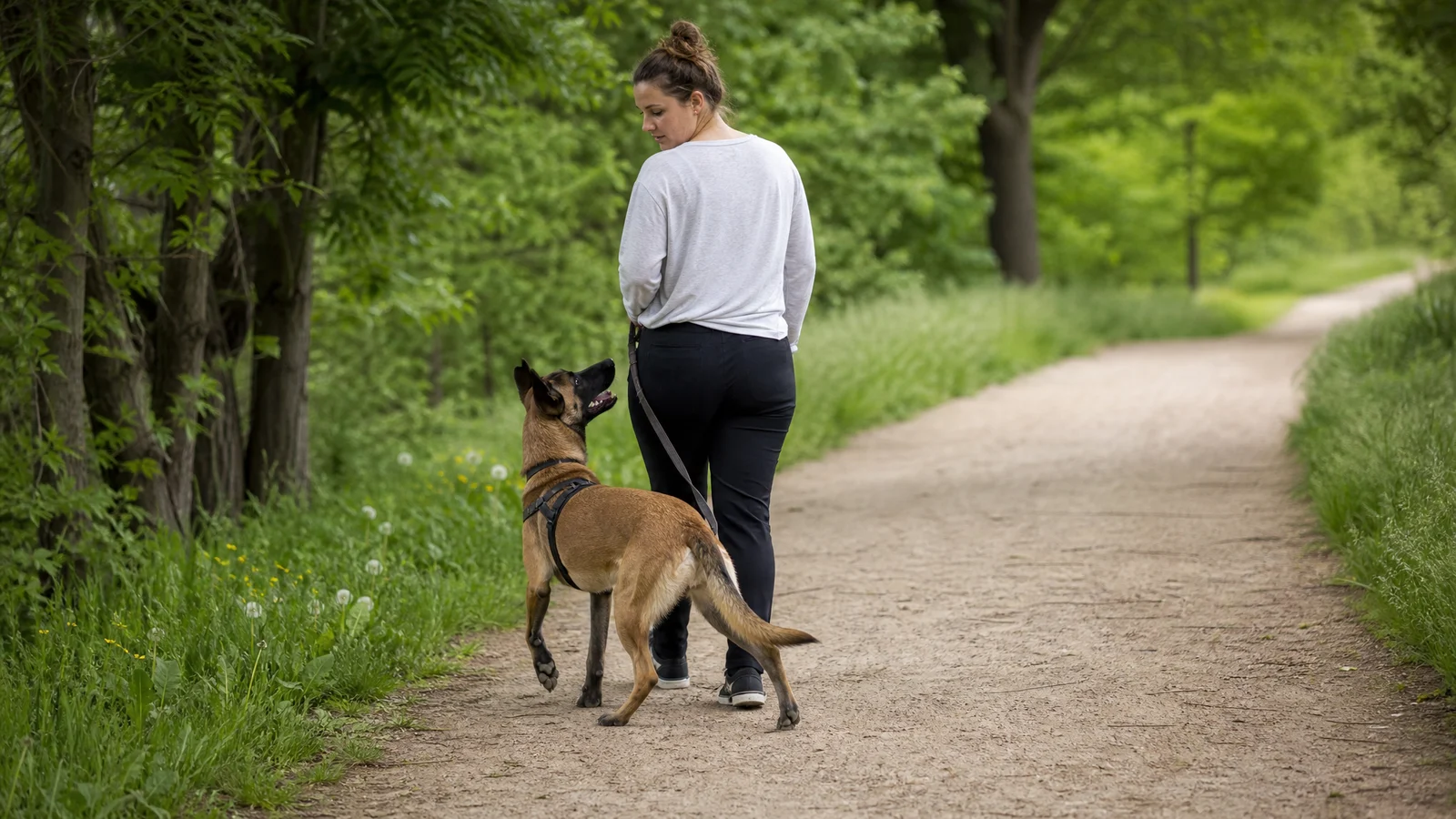 Training basicsLoose-Leash Walking for a Malinois Who Circles and Lunges
 BehaviorAre Belgian Malinois Considered an Aggressive Breed?
 BehaviorKeeping Belgian Malinois Ball and Toy Play Fun, Not Frantic