 Malinois
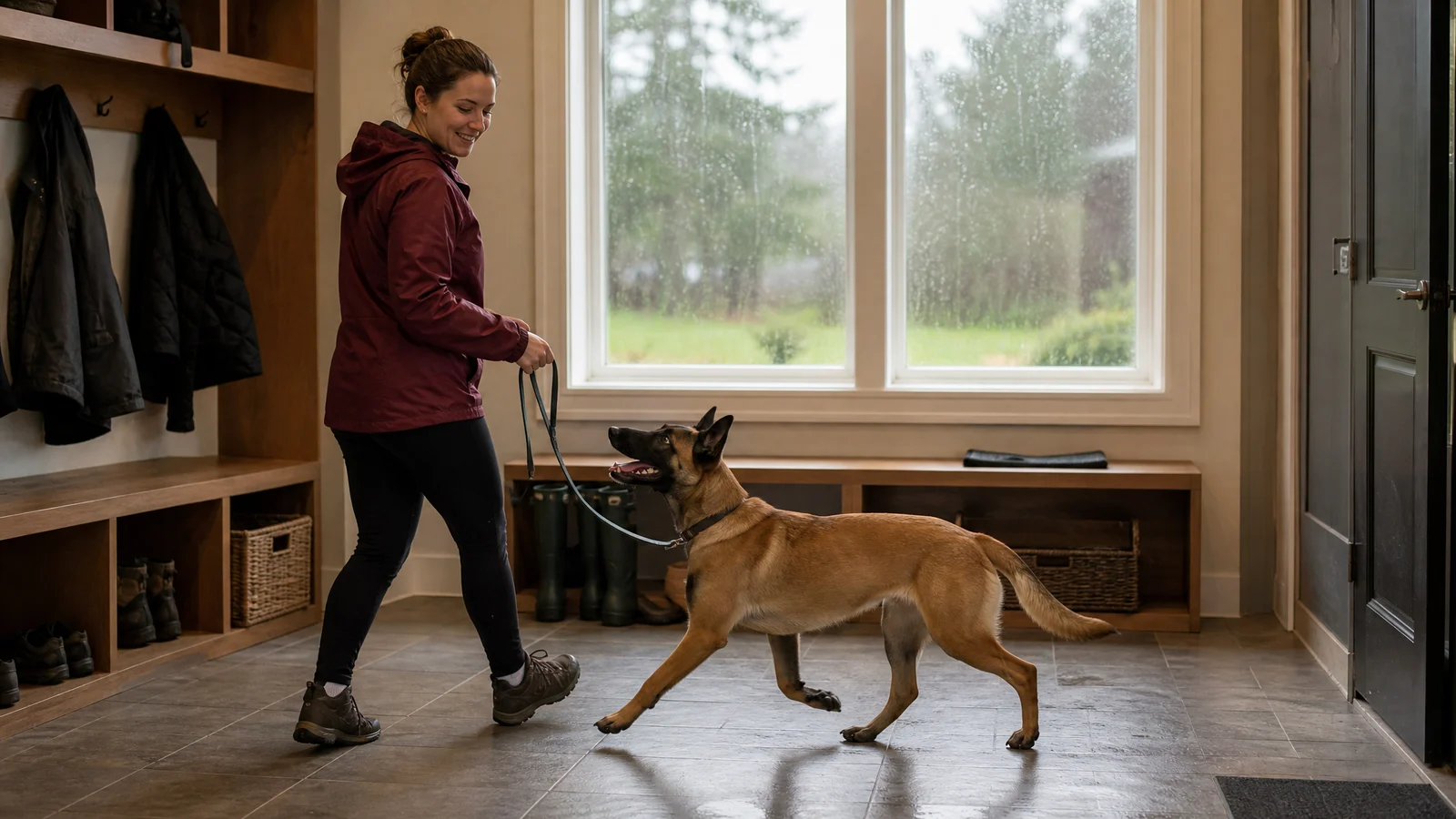
Some Belgian Malinois wear a path along the fence line, spin in tight circles while dinner is poured and track every movement outside the window. Others hit the floor after a good session and sleep through the afternoon. Both can be normal, because individual dogs differ in how much energy they carry and how quickly they come down from it.
These habits matter in this breed because a dog built to keep moving, with no outlet, tends to invent one, and the invention often lands on your furniture and your nerves. Handled well, the same drive gives back a focused, responsive partner. Read on for what pacing, circling and constant watching mean, what the breed standard says about gait and temperament, and how to turn each habit into a cued behavior.
Temperament Behind Pacing Along Fences and Hallways
Pacing is steady back-and-forth walking along a fixed route, usually a fence line, a hallway or the length of a room. In this breed, pacing tends to appear when the dog has plenty to watch and nothing to do. The breed standard calls the Malinois alert and full of life, so a dog without a task will often patrol instead.
A dog with unused ability turns frustrated, and a frustrated Malinois makes a poor housemate. Pacing is often an early sign that the day has not given them enough to do.
A workable fix has two parts: take away the rehearsal and give the dog a job that uses the same energy. These steps cover both, and you can start them today.
- Block the pacing route when you cannot supervise, with a closed door, a baby gate or a drawn curtain, so the habit stops being practiced all day.
- Reward the moment your dog stops pacing and stands or lies down, using a short marker word followed by a treat.
- Ask for a sit or a down on the route itself and reward it there, so the hallway becomes a place for a trained behavior.
- Schedule a task session before the usual pacing hour, such as a search game with treats hidden around the room, and watch whether the pacing eases.
If a dog who rarely paced suddenly starts, call your veterinarian. Keep routine vet checkups scheduled so any new restlessness gets looked at.
Belgian Malinois Circling Before Meals and Walks
Circling is turning tight loops or spinning on the spot, and in a Malinois this tends to cluster around anticipation points such as the food bowl, the leash and the car door. Excitement is the likely driver, since the loops begin when the dog predicts something good and has no trained way to wait. The breed also tends to move in curves, so a loop is an easy shape for excess energy to take.
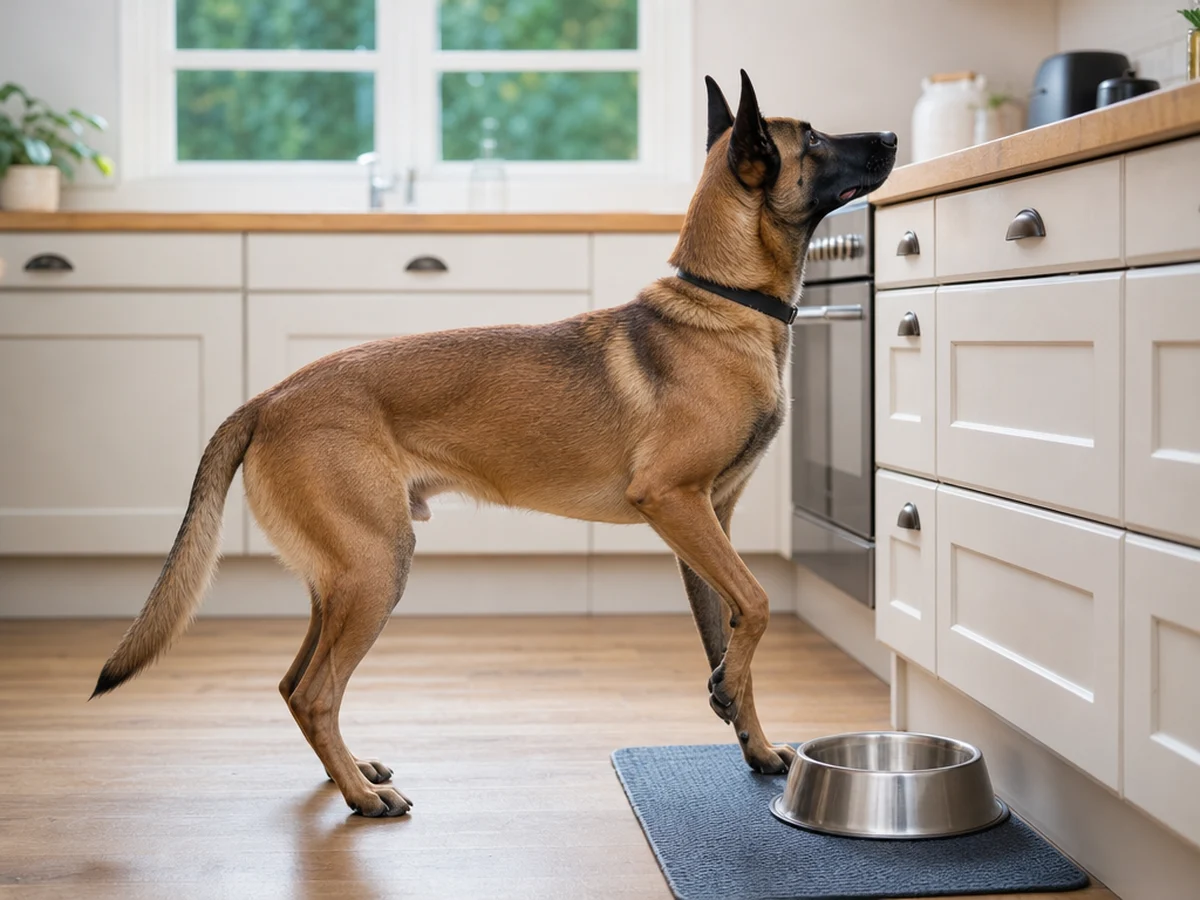
Every time circling is followed by the bowl, the leash or the door opening, the loop gets paid. That reward history is why the habit strengthens so quickly.
The fix is to teach waiting as the thing that unlocks what your dog wants. Before the bowl goes down, cue a sit or a stand and mark the first moment of stillness. Then give a happy release word, and let the food, leash or open door follow. Stretch the wait a little at a time across many sessions. A Malinois picks up what pays off fast, and calm can pay as well as spinning.
When the circling is aimed at you for attention, the same logic works. Look away, turn away or step out of the room, then ask for a sit the instant the spinning stops and give the attention as the reward.
A Belgian Malinois Temperament That Never Switches Off
Some Malinois seem unable to rest, rising at every sound and following you from room to room. Part of that is how the breed is built. Malinois were bred to be taught and assigned tasks and to perform them at a high level, and the standard describes an expression of alertness, attention and readiness for activity. A dog like that has a high default state, and rest is a skill they have to learn.
The missing piece is usually practice. A household can supply plenty of exercise and puzzle games and still never teach the dog to stop. The breed club warns that without intensive, long-term training Malinois will create their own activities, and those can be destructive. We have trained this breed for many years, and the off-switch always has to be taught on purpose.
Settle means lying on a chosen spot and staying relaxed until released. A simple progression teaches it with treats and patience, never pressure.
- Choose a mat or bed and reward your dog for any contact with it, then for lying down on it.
- Feed small treats at a steady rhythm while they stay down, starting with a few seconds and building up slowly.
- Add a release word so that getting up is always your signal and not their decision.
- Practice first in a quiet room, then with mild activity such as a meal being prepared, and last with visitors present.
Keep sessions short and end on success. If your dog keeps popping up, make the task easier instead of repeating the miss, because a Malinois repeats whatever gets rewarded.
Staring and Scanning From Windows Reflects Temperament
Window watching means standing or sitting at the glass and tracking whatever moves outside. In a Malinois it usually reads as confidence and vigilance. The standard describes a dog who is alert, intelligent, inquisitive and confident, showing neither fear nor aggression, with a gaze that is intelligent and questioning. A dog who scans is most likely gathering information, not worrying.
Moving objects add a second pull. The breed has a high prey drive and a strong interest in moving things, which can lead to chasing children, vehicles or other animals unless that interest is directed into acceptable activities through training. A window full of passing bikes and squirrels is a rehearsal for it, and staring that escalates into whining or lunging at the glass means the view is too stimulating.
Start by managing what your dog can see. Close the blinds partway, put frosted film on the bottom of the window, or move furniture away so there is no lookout spot facing the street.
Next, teach your dog to disengage. Whenever they glance outside and turn back to you, mark that moment and give a treat, which builds a habit of checking in after noticing something. Later, add a cue that sends them to the mat when something interesting passes. Because the breed can be reserved with strangers, a dog who learns to relax at the window is also practicing calm around the unfamiliar.
Gait and Temperament in the Belgian Malinois Standard
Several of the behaviors above have a source in the breed standards, which describe the dog the breed was shaped to be. Reading them helps separate quirks that come with the breed from habits you have accidentally taught.
The Circling Tendency
The AKC standard notes that the breed shows a marked tendency to move in a circle rather than a straight line. That line is about movement, not behavior, but it plausibly explains why a Malinois turns so naturally when excited. The loops before dinner are probably an exaggerated version of something built into how these dogs move, so shape the circling instead of expecting it to vanish.
Tireless Movement and Working Temperament
The same standard describes movement that is smooth, free and easy, seemingly never tiring. The UKC standard goes further, calling the gait ground covering, effortless and seemingly tireless, for a dog who is usually in motion and capable of working livestock all day.
A herding dog is built to patrol, turn and stay ready for long stretches. In a modern home, a hallway or fence line becomes the only available pasture.
Temperament adds the push. The standard calls correct temperament essential to the working character of the breed and describes a dog who is energetic and ready for action, yet highly responsive to direction. That second half is your opening, because a dog this responsive can learn to turn the energy on and off when asked.
Channeling Belgian Malinois Pacing Into Calm Work
Channeling means keeping the movement this breed loves and attaching a purpose and a cue to it. A dog who is told what to do with their energy has less reason to invent routes. This is not a breed to leave in the backyard to entertain themselves, and daily walks alone are not enough, so the work needs structure and your company.
These jobs use the walking and turning instincts in a controlled way. Each fits into a small indoor space with a handful of treats.
- Teach a spin in each direction on a cue and reward it, so the circling tendency has an approved outlet whenever excitement rises.
- Walk the old pacing route with your dog beside you, ask for a few steps, turn, and reward, which turns the hallway into loose-leash practice.
- Scatter treats across the floor or hide them around a room for a find-it game, so the energy goes into searching.
- Send your dog to the mat from different spots in the room, ask for a down, and release them after a calm pause.
- Chain short obedience cues such as sit, down and stand, since early obedience training is a must for this breed.
Finish every work session with settle practice, because the goal is a dog who can move from busy to calm on request. Alternate bursts of active work with time on the mat, and offer a chew there as a bridge. Over weeks your Malinois learns that work ends and that rest is something they get to do on cue.
Expect progress to be uneven. A Malinois is quick to learn, so the pacing often eases once the new routine is dependable, though dogs vary.
Next Questions About Belgian Malinois Pacing
Once pacing and circling are under control, a few related questions tend to come next. These are the ones worth tackling, each with where to go for the answer.
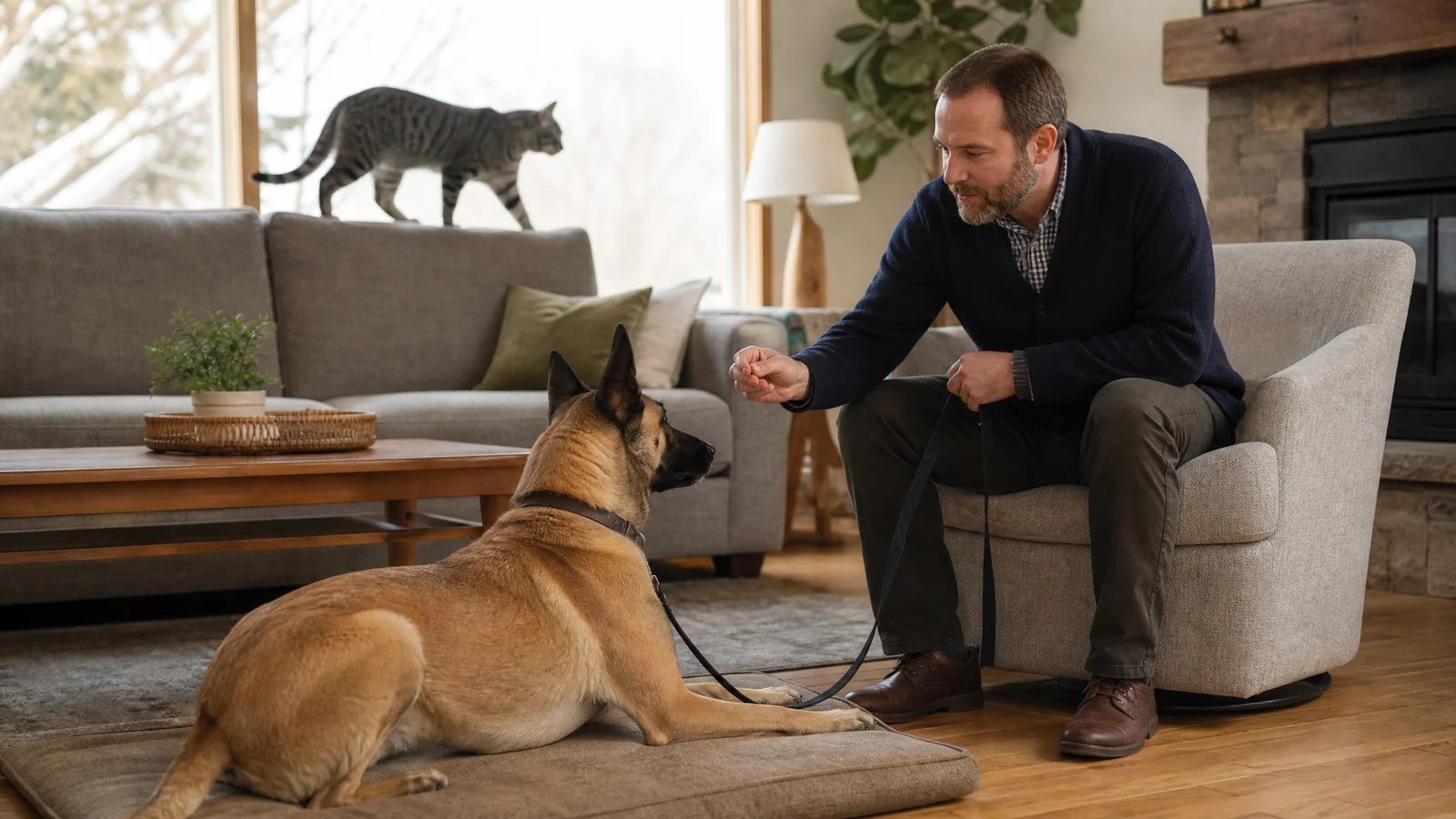
Does the prey drive behind window watching put cats, chickens or small dogs at risk? It can, because the breed is strongly drawn to moving things, and our guide to training a prey-driven Malinois covers introductions, management and safe practice around smaller animals.
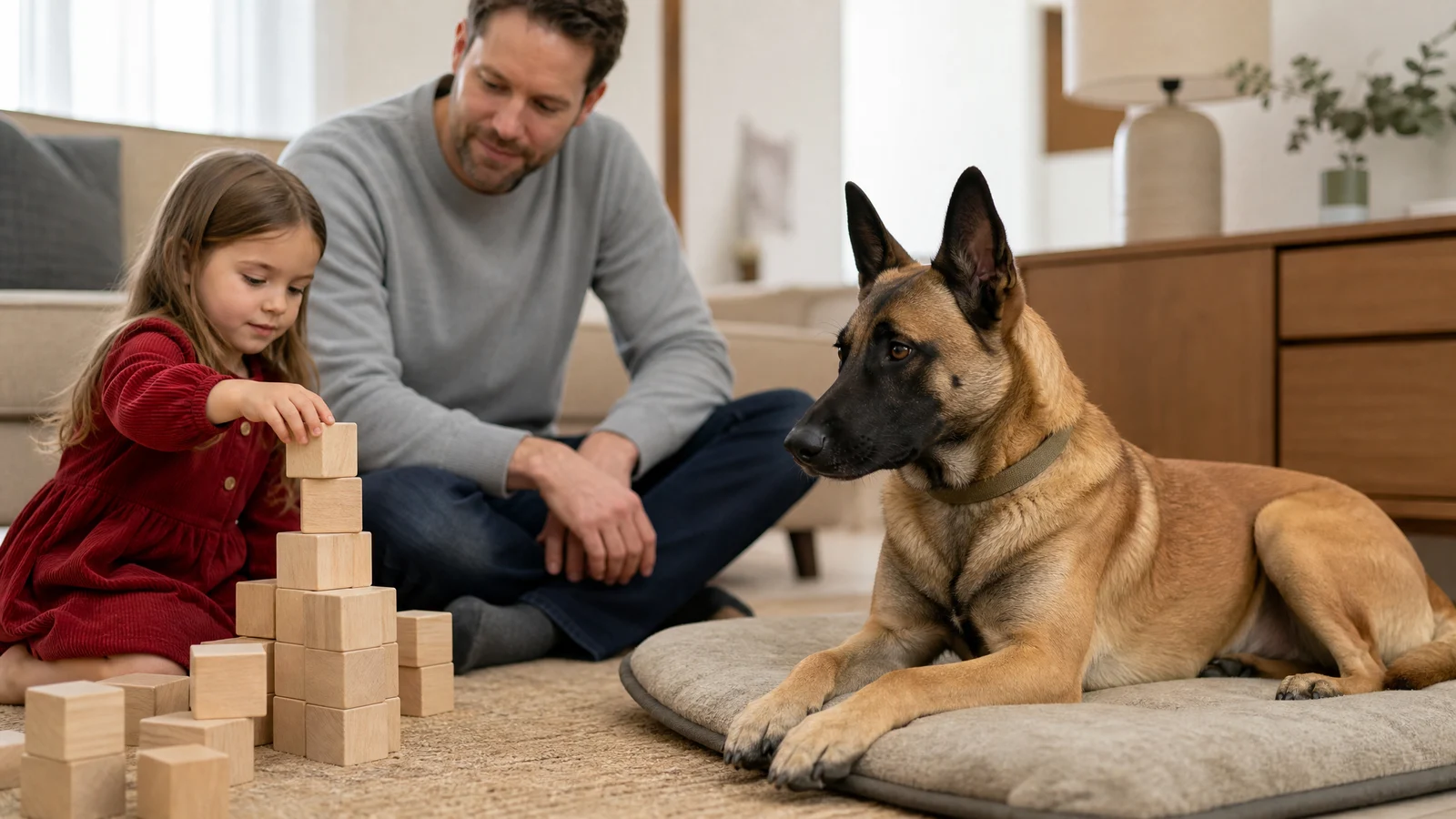
What about children, who run, squeal and invite a chase? Clear supervision matters most, especially during excited play, and supervision rules for kids lays out how to keep everyone safe while your dog learns to stay calm around them and you learn to read early signs of overexcitement.
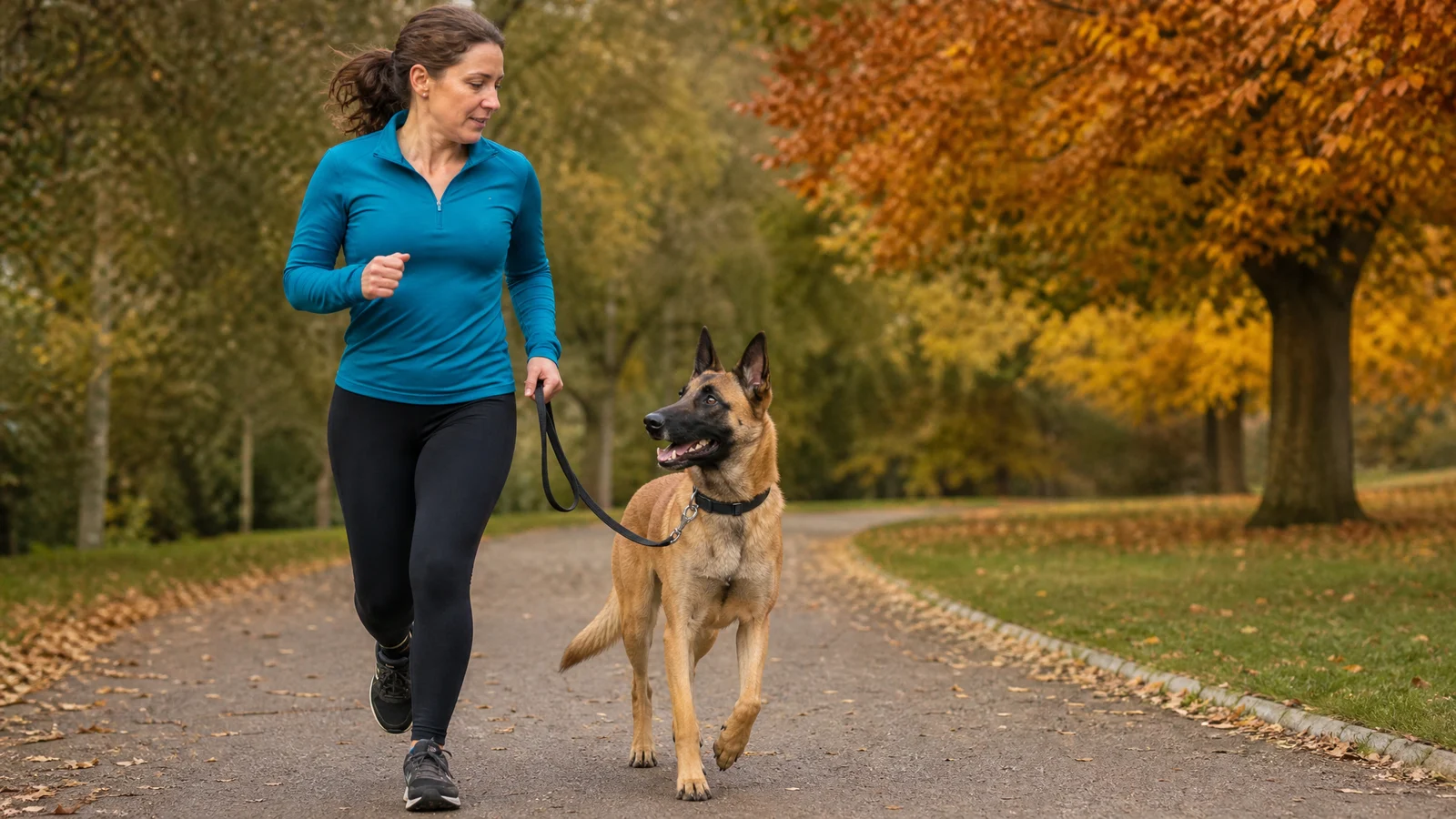
Is this much commitment realistic for your household? Malinois are not for everyone, and family life with a Malinois gives an honest look at the daily load, from training time to exercise to rest, and at how much of it falls on you.
Every quirk in this article traces back to one fact: a Malinois was shaped to work, so pacing, circling and constant watching are ability searching for a task. Give your dog structured jobs, teach rest as deliberately as you teach sit, and meet their need for active, shared work. When that need is met, they have little reason to create outlets of their own.
 BehaviorCats, Chickens, Little Dogs: Training a Prey-Driven Malinois
 BehaviorMalinois and Kids: Supervision Rules That Keep Everyone Safe
 BehaviorFamily Pet or Full-Time Job? Living With a Malinois