 Malinois
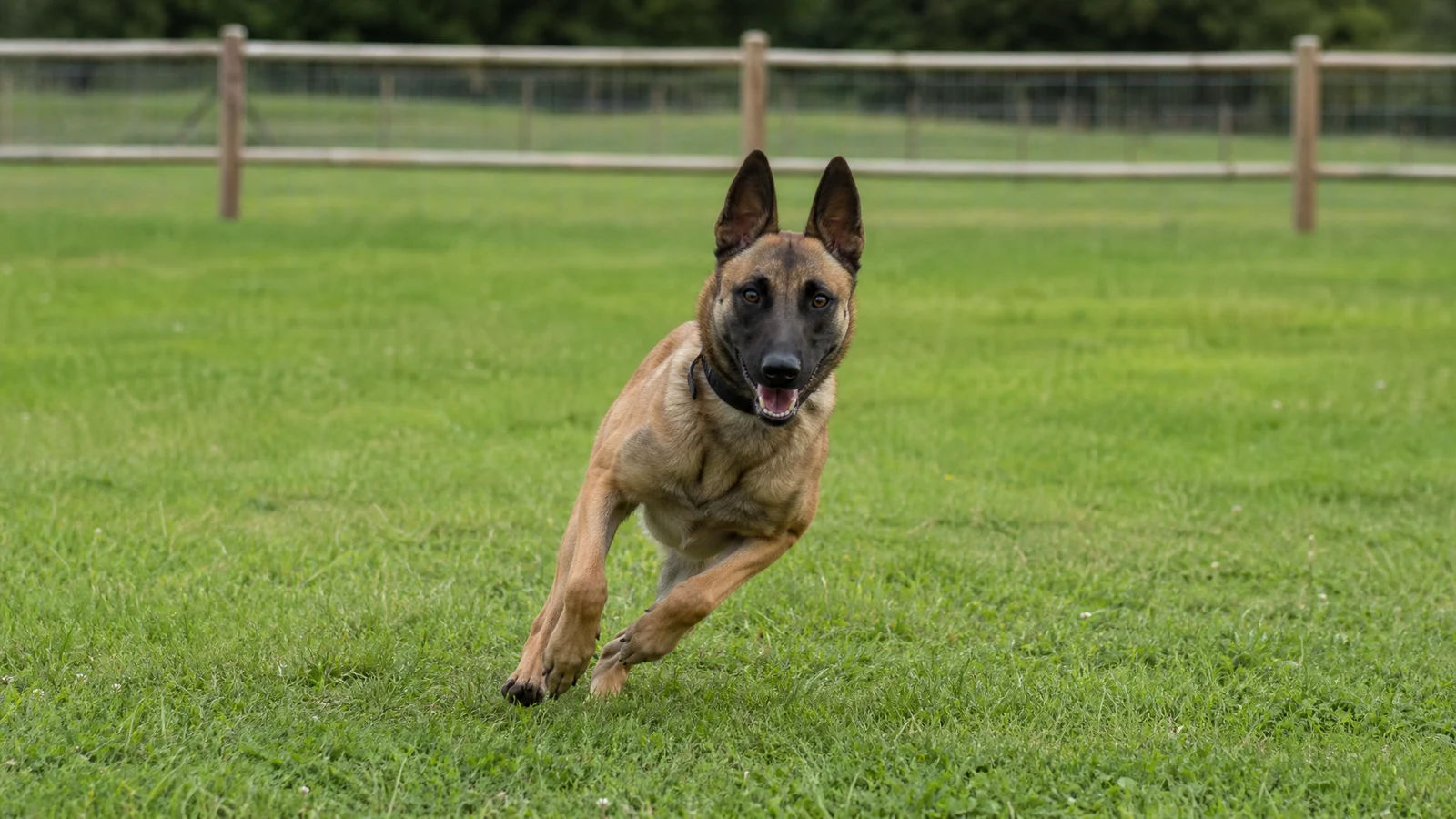
Ordinary recall advice says to repeat the cue until the response is automatic, and that is where it stops serving a Belgian Malinois. Drive can override a recall that is flawless in the living room, so safety and reward value matter more than repetition. A Malinois locked onto movement will not trade it for a mediocre treat.
The stakes are high because the breed is built for intense work, and the focus that makes them so responsive can also carry them toward a road or a running animal. Done well, recall lets you interrupt a chase and bring them back, and that is what earns them a bigger world. Many Malinois prize a toy or a game of tug above food, and food drive can be built too, so you have more rewards to work with than you might expect.
Read on for one hypothetical puppy followed from name games through reward ranking and long line safety, to the first mid-chase turn and the years of upkeep after it.
An Example Ten-Week Belgian Malinois Puppy
To make the plan concrete, we follow one hypothetical household from start to finish. The puppy is an illustration built for this article, and yours will move faster or slower in places. What carries over is the order of the steps and what each skipped step costs you later.
Our example puppy arrives at ten weeks old, in an apartment with two bedrooms and an adult who keeps a steady schedule. There is a hallway, a small patch of grass outside, and a park nearby that stays off limits for free running. Planning around this setup means deciding now which risks you will manage and which you will simply avoid.
We have trained this breed for many years, and the lesson we return to most is that recall is built in layers, not in one session. The breed standard describes a dog who is energetic and ready for action, yet highly responsive to direction, so the responsiveness is there to build on. Your job is to keep drive from rehearsing the wrong answer. These are the stages our example puppy moves through over the coming months:
- Name and recall games in the living room and hallway, so turning toward you becomes the puppy's favorite habit.
- Ranking rewards, so you know exactly what beats a chase for this particular puppy.
- Long line work outside, which gives freedom while keeping every mistake safe.
- A distraction ladder that adds difficulty in small steps and drops back a rung whenever the puppy struggles.
- A practiced turn back mid-chase at about five months, with clear signs for when more freedom is earned.
Recall Under Drive Starts With Name Games
The first weeks have a single aim: make turning toward you the best thing the puppy does all day. Everything later, including the hardest outdoor calls, rests on this habit. Because a Malinois learns patterns very fast, the order of these early games matters.
The Name Game in the Living Room
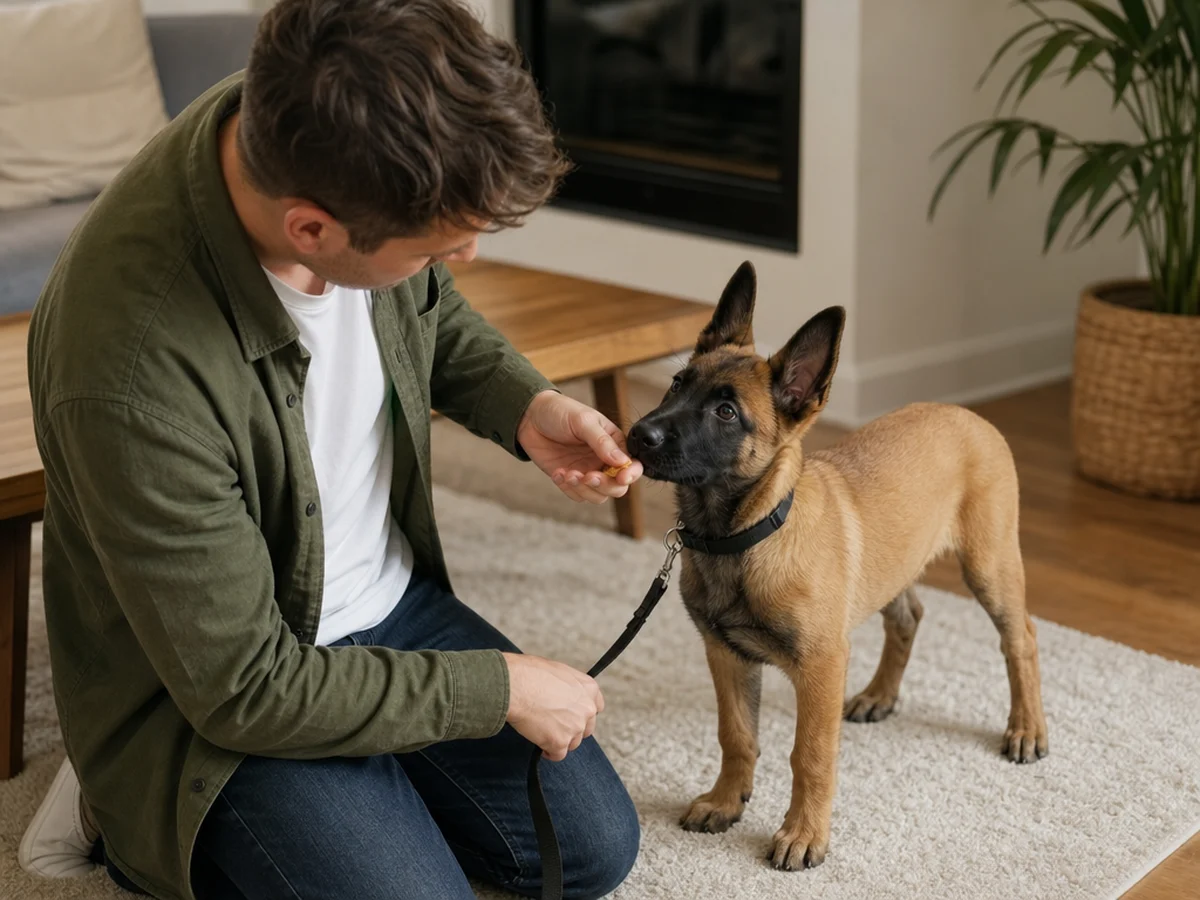
Begin in a quiet room with nothing competing for attention. Use a cheerful tone and speak the puppy's name a single time.
As soon as they glance toward you, mark it with your marker word, then give a treat or start a short tug game. Practice in brief bursts through the day, calling from different corners of the room.
Keep your voice friendly and say the name only once. A name repeated several times teaches the puppy that the first one was optional.
Hallway Practice and Releasing
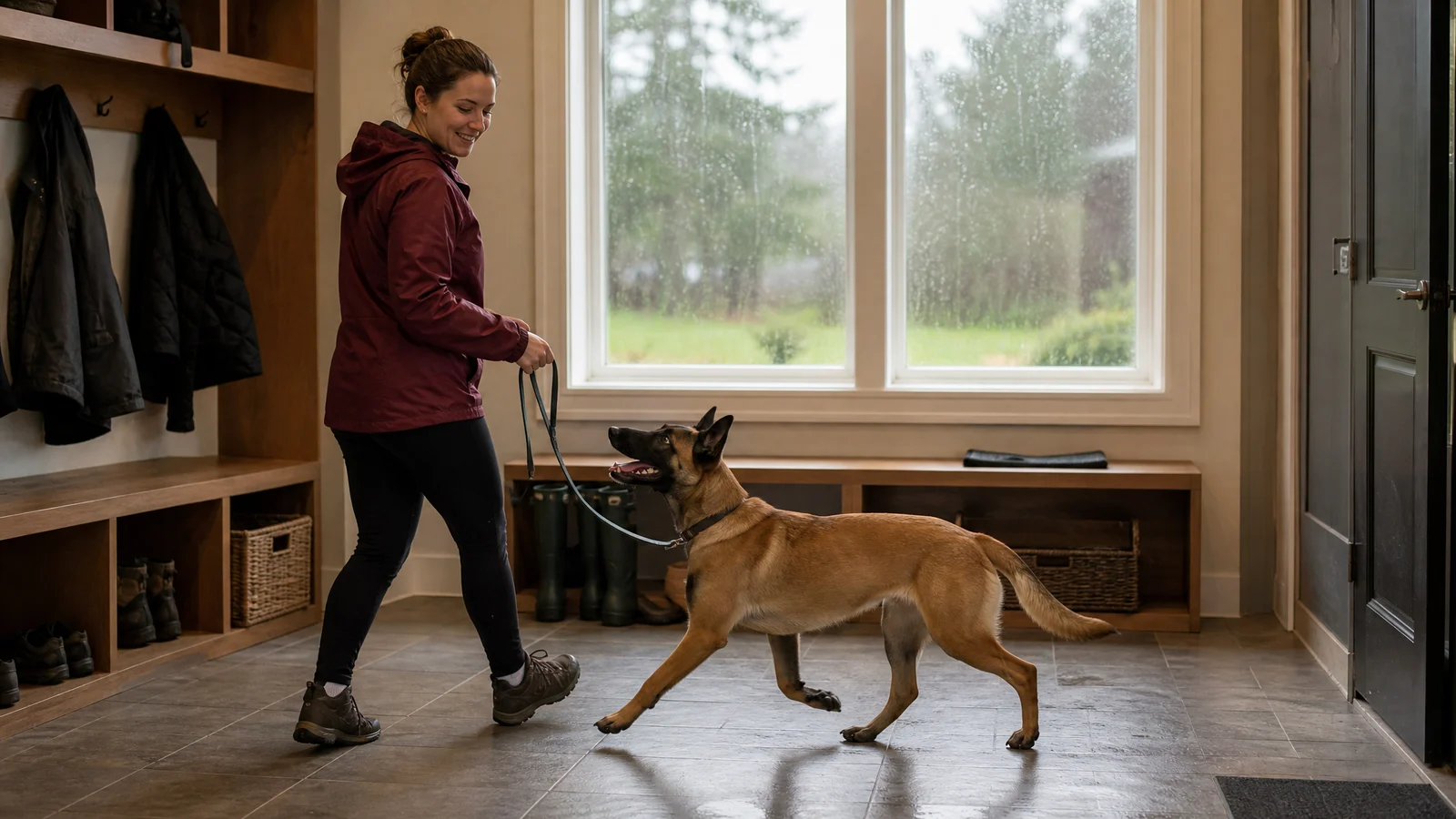
Once the puppy snaps to you on nearly every name, move to the hallway, which is the apartment's first genuine distraction. Step back as you call, let the puppy trot in, and reward at your knees. Then release them back to whatever they were doing.
Release far more often than you end play, because a Malinois learns just as quickly that a call sometimes means the fun is over. Only an occasional recall should close the game. This habit costs almost nothing now and protects the cue later, when you need the puppy to leave something they love.
Add a separate recall word only when the name game is quick and happy. Choose a word you use for nothing else, say it once, and pay well each time. Finish each session while the puppy still wants more.
Which Rewards Beat a Chase in Recall Under Drive?
Recall under drive competes with movement, so the reward has to be something the puppy values above the chase. Many Malinois are described as more motivated by balls, toys, play, and praise than by food, and many owners use the toy as the main reward. The table ranks rewards the way we would for our example puppy.
| Reward | Best use | Cost to watch |
|---|---|---|
| Favorite toy or a game of tug | Reserved for the hardest recalls outdoors | Raises excitement, so end the game calmly |
| Chicken or a similar high-value treat | Middle rungs of the distraction ladder | Must be counted within the daily food |
| Kibble from your hand | Name games and the hallway | Loses value quickly outdoors |
| Praise and a short game of chase-me | Everyday calls with no real distraction | Too weak alone once drive is up |
To rank rewards for your own puppy, offer a toy and a treat side by side while something mildly interesting is nearby, and watch which they choose. Repeat with other pairs across several days. The winner becomes the special recall reward, used for recall and nothing else, and keeping it rare keeps it powerful.
A dog who ignores food can often learn to value it. Owners report building food motivation through hand feeding, scatter feeding, training before meals, and high-value treats like chicken.
The effort pays off because a second reward gives you options on days when the toy loses its shine, and some owners report food-motivated Malinois growing into excellent herding dogs.
This is general information about using meals as training rewards. Check with your veterinarian about portions, any change to your puppy's diet, and how much of the daily food to hold back for training.
A Long Line Keeps Belgian Malinois Safe
Outdoors, the long line is the safety net that lets you practice without gambling. A long training line gives the puppy some freedom without complete free range, which is the middle ground a young Malinois needs. A failed recall then costs only a step back in difficulty.
Choosing and Handling the Line
Start on a short leash, then lengthen it over time to a 20 to 30 foot line once the puppy's skills improve. Attach the line to a well-fitted harness and either hold it loosely or let it drag while you stand on the end. Use the line only as a backup, never as the thing that pulls the puppy in.
The puppy should arrive because the reward is wonderful, not because the line ran out. If a recall fails, do not repeat the cue louder. Stay calm, move closer, make the next attempt easier, and pay generously when they turn.
Holding Off on Unclipped Practice
Hold off on unclipped practice, even in places that seem secure. Sound guidance says to wait until the recall is flawless while attached, and a high-drive breed makes that more urgent. In the UK, farmers are allowed to shoot dogs who go after farm animals, so a dog with good manners is still safer kept on a leash.
If wheels pass your route, pair the line with a steady sit around wheels. Recall stops the approach and the sit holds the puppy in place, so the two skills cover each other. Choose quiet routes and times while both develop.
Why Does Recall Fail Once Drive Rises?
Recall fails under drive for a plain reason: the puppy is not being stubborn, they are choosing the stronger reward. Malinois have a high prey drive and a strong interest in moving objects, which can lead to chasing children, vehicles, or other animals. The standard also notes a marked tendency to move in a circle, so a puppy may arc around a target instead of running straight, which makes the path harder to predict.
A recall learned in a calm room belongs to that calm state. Indoors the cue meets little resistance, but outside the cue has to compete with the chase, and the chase pays well without any help from you. Endless repetition in the living room mostly builds a living room skill, so raise difficulty in small steps instead.
Drive can also turn into frustration when the puppy cannot reach what they want, and the result is often fixation and noise, which our piece on frustration barking covers.
Any dog can get frustrated and distracted in a search game when they cannot find the target. The remedy is the refocus skill from the name games: call the name, mark the look, and reward before the frustration builds.
Our example puppy climbs the ladder below, repeating each rung until the work feels dull before moving up. Advance only after the current rung is easy.
- A calm room, using the special recall reward.
- The hallway, with a family member moving around at a distance.
- A quiet sidewalk on the long line, with nothing moving nearby.
- A toy lying still on the ground, then a person walking away at a distance.
- A person jogging or a ball rolling far off, always on the line and always with a swift reward.
If the puppy misses a rung repeatedly, go back one rung and rebuild. That repair costs far less than pushing on and teaching them that the cue can be ignored.
Turning Back Mid-Chase: Recall Under Drive at Five Months
Once our example puppy has solid rungs on the ladder and meets the readiness signs in the checklist, they are ready for the hardest game, which is turning away from a chase that has already begun. Several owners report good recall despite high prey drive and credit training, including stopping mid-chase when called. The herding instinct becomes an asset when it has a proper outlet, because a puppy who can be interrupted can be trusted with more.
Setting Up the Turn
With the puppy on the long line, have a helper drag a favorite toy along the ground on a cord, or do it yourself from a distance. The moment the puppy leans toward the toy, call the recall word, mark the instant they turn, and let them chase the toy as the reward. The chase itself pays for the turn, which is why this works for a breed who loves to chase.
Start by calling early, when the puppy only leans in. Over many sessions, call later, when the toy moves faster and the puppy has covered more ground. If the puppy ignores the call, the toy stops and the game pauses, then you reset at an easier distance.
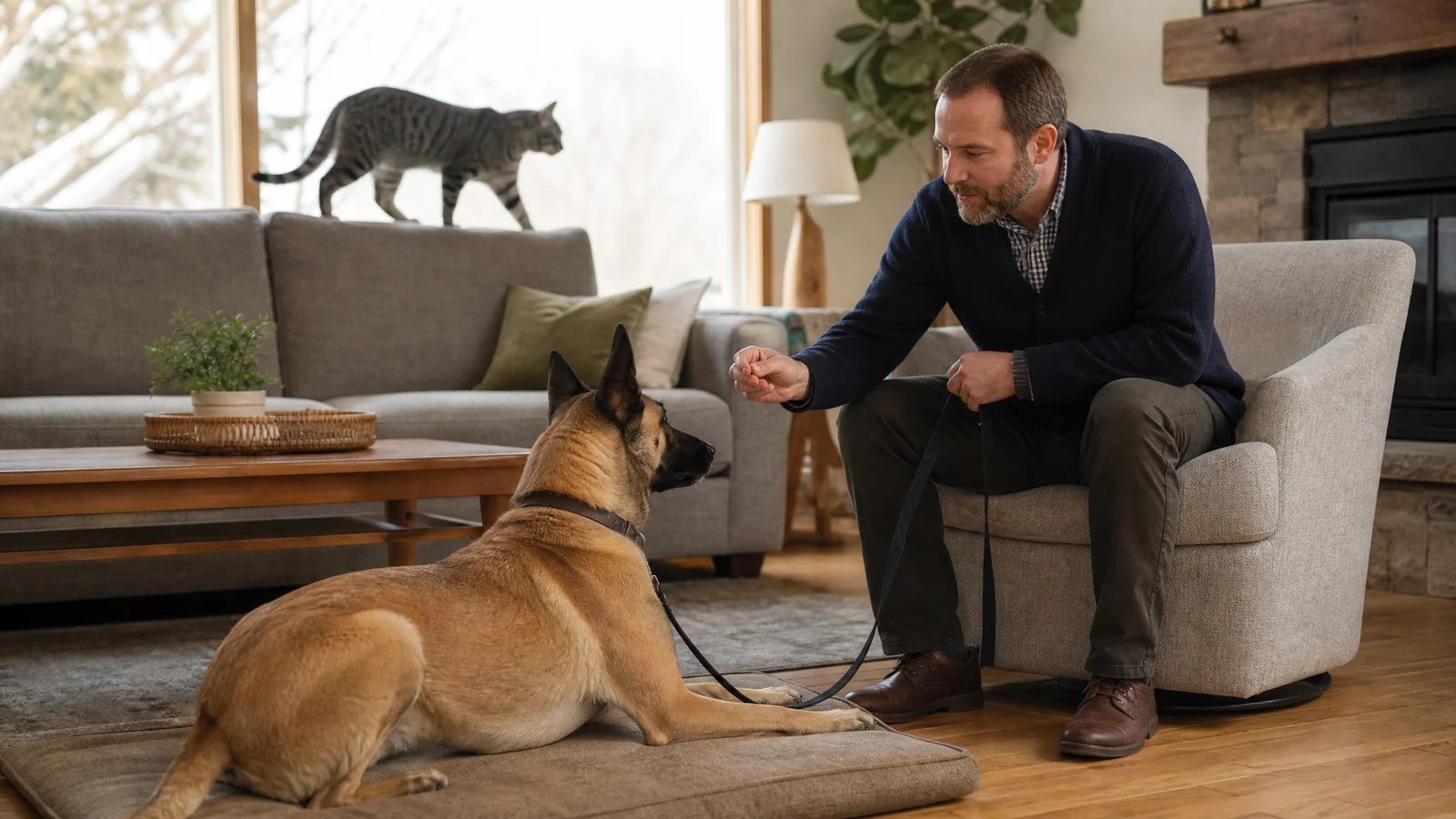
Keep live animals out of this practice. Reports with small pets vary, with some Malinois showing stalking and pinning toward unfamiliar small dogs and others becoming friends with a cat after slow, careful introductions. Any such introduction should move gradually and stay on the line.
Knowing When to Give More Freedom
Freedom should follow evidence, not the calendar. Before you shorten the line or add real-world difficulty, check the puppy against every point below.
- They turn on the first cue at every rung of the ladder, not just the easy ones.
- They do it in many places and on different days, including places that are new.
- They keep turning with the line hanging slack, so the line is truly only a backup.
- They come all the way in for the reward instead of hovering just out of reach.
- You can spot the lean before the chase starts and call at that moment.
If any point is missing, the line stays and the ladder continues. A slow week costs far less than one chase you cannot interrupt.
A Reliable Belgian Malinois Recall Under Drive Takes Years
Expect recall under drive to keep maturing for years, not weeks. Adolescence often brings a dip, as independence and energy make the world louder than you are. Plan for that stretch by returning to easier rungs and paying more, rather than concluding the training has failed.
The long line should fade slowly. Move to a shorter line, then to one that trails, and only later practice unclipped, and only in fully enclosed areas. Hold each stage until it feels dull, because the price of rushing is a single chase you cannot call back.
Save the toy or chicken for the hardest calls. Without an outlet, Malinois make their own activities.
That outlet does not have to be a sport. Owners point to dock work, tracking, and agility as good fits, while others find that everyday tasks, farm chores and a long daily walk keep their dogs fulfilled.
Dogs of uncertain background can also thrive with roles around the home. Keep up regular vet visits too, and tell your veterinarian if your dog's behavior or responsiveness shifts abruptly.
The larger picture is that a Malinois with real work and active time with you has less reason to chase for entertainment, and a recall that stays well paid keeps working as they mature. Build it slowly, protect it with the long line, and let freedom arrive only when the dog has proven they can turn back, because that is how a recall that survives drive is made over the years.
 BehaviorWhy Is My Malinois Wrecking the House? Try Real Work
 BehaviorMalinois Quirks: Pacing, Circling and Never Switching Off
 BehaviorCats, Chickens, Little Dogs: Training a Prey-Driven Malinois