 Malinois
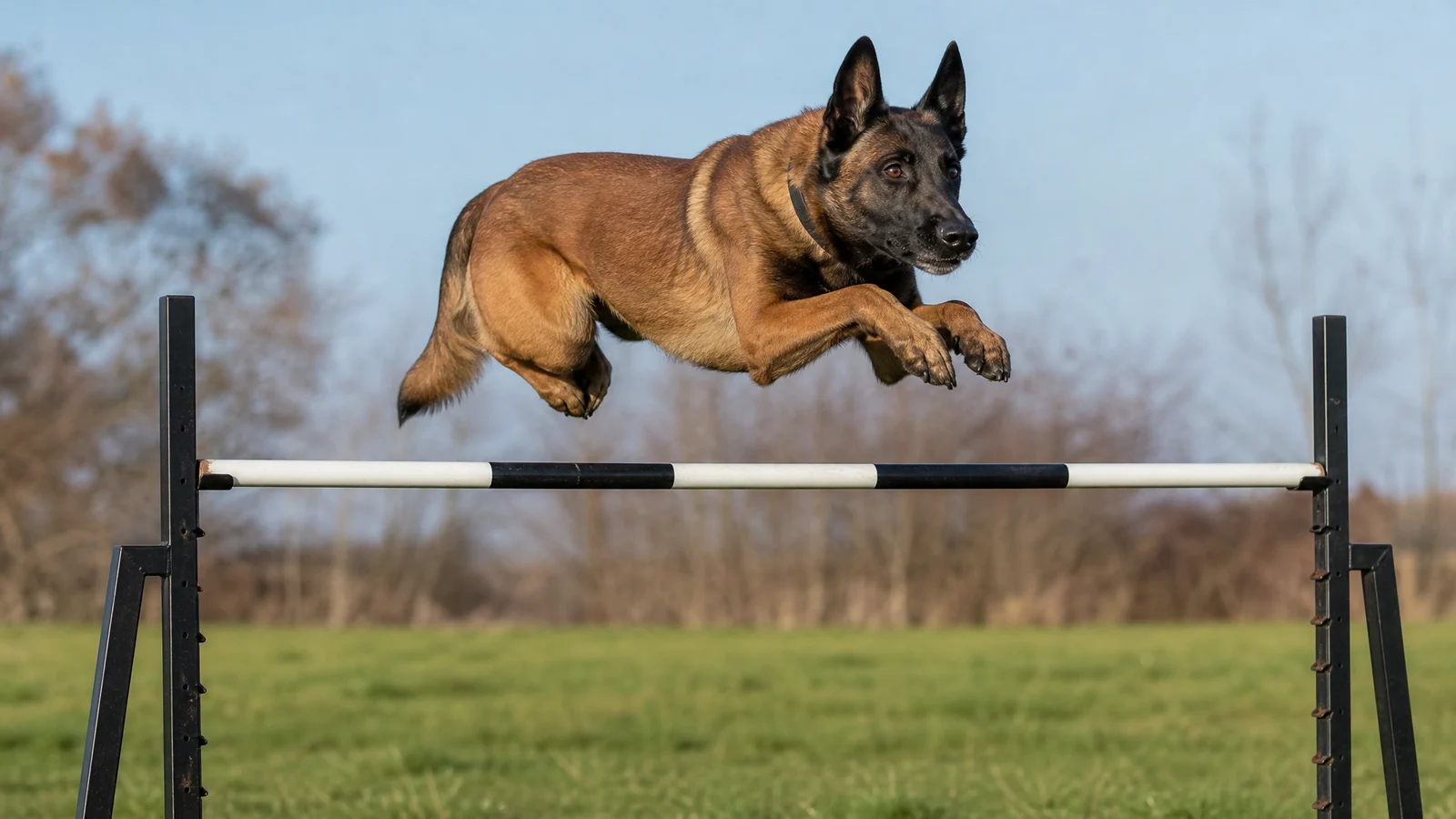
Many Belgian Malinois can get over ordinary fencing when conditions line up. Give them a woodpile, patio table or doghouse as a step and the fence height stops mattering. The cause is the breed itself: a strong, agile, well-muscled body, a gait that seems tireless and a drive to move and work.
The same dog is often relaxed, even snuggly, indoors. The intensity shows up during play and exercise, and a Malinois who gets a real outlet tends to settle well afterward. Bored and frustrated, though, they turn that athleticism into climbing, wall running and escaping, which is how a good family dog ends up loose in the street.
In this article, we'll go through how high these dogs really jump and where to set safety limits, how boundaries work in four household situations (a small apartment, young kids, two Malinois sharing a yard, and a person who works away from home through the day), and a two-week plan for making your boundaries dull.
How High a Belgian Malinois Can Really Jump
Walk a Malinois along a fence line and you can watch them size it up: head high, eyes on the top rail, weight rocking back onto the hind legs. The Belgian Shepherd standard calls the breed an elegant, well-proportioned, square dog, with a gait that is ground covering, effortless and seemingly tireless. That is a body made to cover ground and clear obstacles.
We won't hand you one exact height, because no reliable figure covers the whole breed and individual dogs vary a lot. Plan around what is dependably true. Many Malinois can get over ordinary fencing when conditions line up, and excitement, a run-up or a launch point can add to the leap. Your safety margin has to come from how you build and manage the yard, not from hoping your dog won't try.
Build is only half the story. Malinois were bred to be taught tasks and to perform them at a high level, and the breed's parent club says an underutilized dog is a frustrated dog. Without intensive, long-term training, Malinois create their own activities, and those can be destructive. Climbing is an easy one to invent, and a taller fence alone does not give the dog a job, so the urge to climb simply finds a new target.
What Pushes the Jump Higher
Most of these factors are in your control, so check each one against your own yard.
- A long run-up lets a Malinois build speed, so a fence at the far end of an open lawn is the easiest one to clear.
- Fitness counts, because a lean, conditioned dog jumps and climbs far better than one who is out of shape.
- Launch points such as furniture, bins, stacked firewood or a low roof add their height to the dog's own.
- Arousal changes everything, since a dog wound up by a squirrel, a ball or a passing bike will try things a calm dog never would.
- A clear view of what is on the other side makes the leap far more tempting.
Safety Limits for Growing Dogs
A puppy's joints are still developing, and repeated high-impact jumping is hard on them. Keep jumping low and occasional while a young dog grows, ask only on soft, level, non-slip ground, and never ask for a higher jump to prove a point. Raise questions about joints and conditioning at regular vet visits, and ask when your dog is ready for more.
Agility is the legal outlet for all this spring, and the breed excels at it. Start with bars flat on the ground, move to very low jumps, and reward every clean, calm approach. A dog who gets to jump on cue has less reason to jump on their own.
Apartment Behavior Problems and Belgian Malinois Wall Climbing
In an apartment, the first sign is rarely a jump over anything. It is a Malinois springing from the sofa arm to the windowsill, planting both front paws high on the wall beside the balcony door, or launching off a chair onto the kitchen counter. A small space squeezes that athletic build into a few feet of floor, and anything moving outside the window becomes a target.
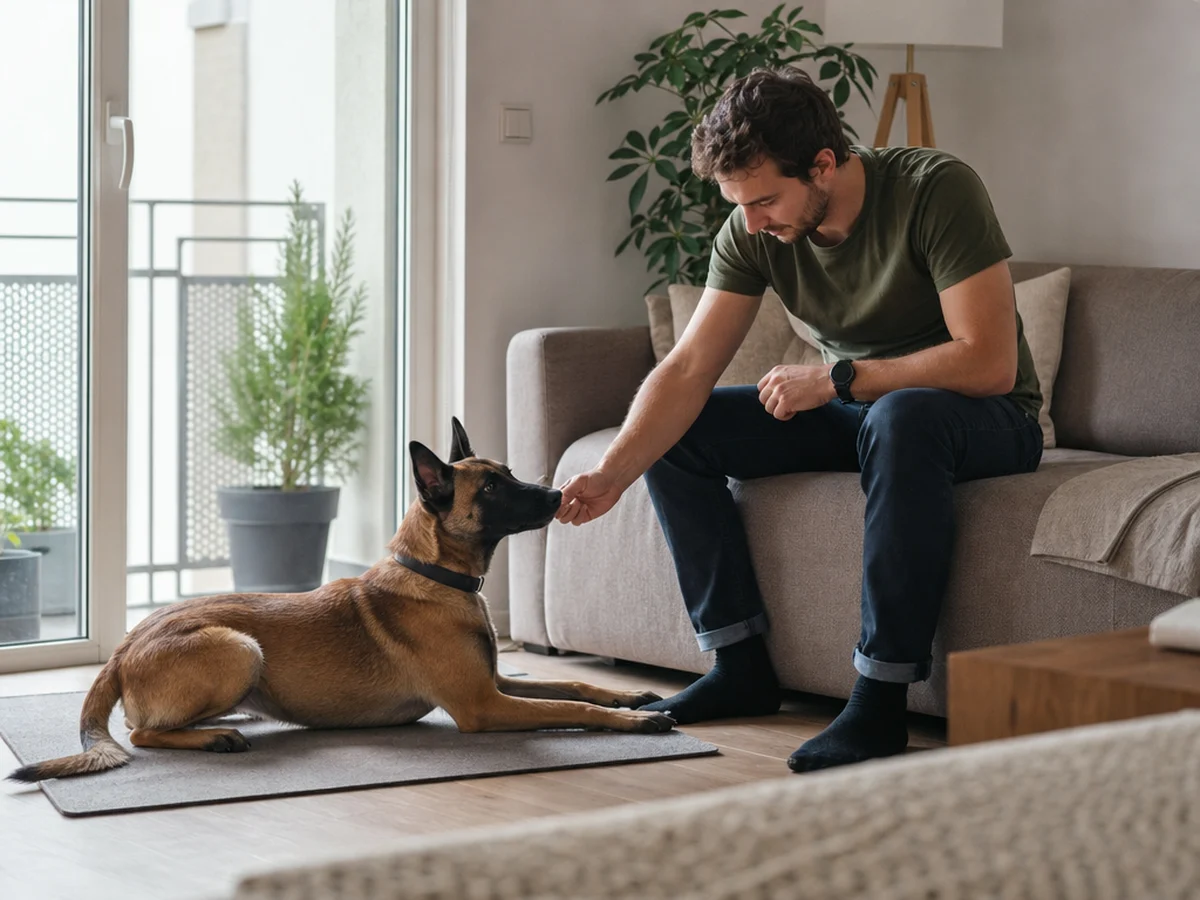
The size of your home matters less than what happens inside it. Some Malinois live well in an apartment or small yard when their exercise and mental needs are met, though others do better with more room. Many owners find that a dog who has had a hard outing naps through the evening, so build the outlet first and then work on the walls.
Work through these steps in order:
- Pull sofas, chairs and tables back from windows and shelves so there is no step up to the next level.
- Cover the bottom window panes with frosted film or a low screen, which ends the passing-traffic show that starts wall running.
- Pay for four paws down by marking and rewarding every moment your dog stands or lies calmly near a window, before they think about climbing.
- Give climbing a legal home by teaching your dog to hop onto a sturdy, low platform on cue, settle there and step off on your release word.
- Spend the energy before you need quiet, with a hard session of running or tug outdoors followed by a brain game indoors.
For that last step, try nose work. Hide a treat or a favorite toy inside one of several boxes and let your dog work out which box holds it, then move the game around the apartment as they improve. It tires a Malinois's mind in a small space and adds no jumping impact.
Fence Jumping Behavior Problems in Homes With Young Kids
A gate left ajar after a bike ride, a ball bouncing toward the boundary, children shrieking along the fence. With small kids these triggers tend to arrive together, and a Malinois who was calm a minute ago can be over the top rail before anyone turns around. Like most herding breeds, Malinois have a high prey drive and a strong interest in moving objects, and fast, loud children are moving objects.
Barriers come first, because training fails on the day everyone is excited. Fit gates with latches your dog cannot nudge open and children cannot leave unlatched, and consider a second gate between the driveway and the yard. Then sweep the boundary for anything climbable that the kids have dragged over.
Set a few simple rules for the whole household.
Dog and children share the yard only with an adult watching, and this large, very active breed is never left alone with very small or unruly children. Wild running games happen away from the fence, with your dog either indoors or settled on a mat. Visiting friends come in through the front door, not the gate, because Malinois are often reserved with strangers.
Chase games get a clear start cue and a clear stop cue, and an adult runs them.
Then teach the kids their part, since a child who runs along the fence is paying your dog to jump. Show them how to stand still and look away when the dog gets wound up, and how to call an adult. Older children can drop a treat on the mat when the dog settles. Malinois pick up good habits as fast as bad ones, as our piece on why the breed learns so fast explains, so keep every child's routine the same.
Fence Behavior Problems in a Two-Dog Household
The first dog to find the weak corner becomes a teacher. A Malinois watches everything, and a successful trip over the fence can become a habit for both dogs.
Arousal spreads between dogs too. One dog barking along the boundary pulls the other in, and the pair winds up faster than either would alone. Ball drive makes it worse, because too much ball play can backfire into overarousal, with shaking, barking and jaw snapping. Owners who manage it well restrict the favorite toy, give each dog their own toy for fetch and ask for a wait before every throw.
We have trained this breed for many years, and one rule holds: you train two dogs as two individuals. Put one behind a closed door with a chew, then run calm-at-the-fence sessions with the other on a leash. Work at a distance where they can think, and use a marker word and a treat for every look back at you. Short sessions of about 15–20 minutes, with rest between them, keep excitement down. Swap, and bring the dogs together only when both are settled.
Give them separate yard time until each dog's manners hold on their own. Some owners live with several Malinois at once, including four dogs, without home problems. A high-energy dog is not unmanageable, and giving each dog their own exercise and attention is a sensible way to keep it that way.
Wall Behavior Problems When the Owner Works All Day
You get home to a dirt groove along the fence, a bent gate latch and a dog who is wired instead of tired. Long absences leave a Malinois with hours and no job, and a frustrated dog is not a good housemate. Climbing and escaping fill the gap because the body is built for them and nothing else is on offer.
Exercise timing decides how the day goes. Owners report that their Malinois need anywhere from about an hour of intense activity to 2–3 hours, after which the dog settles or is tired. Put the hard session before you leave, not after you return. Our guide to exercise and mental work shows how to build it.
Then set up the hours you are away:
- Before work, finish a hard run or tug session with a calm cooldown and a few minutes on the mat so your dog starts the day relaxed.
- While you are out, scatter food or hand over a puzzle toy, and rotate what you offer so it stays interesting.
- For containment, use a secure indoor room or a crate your dog already loves, because this is not a breed to leave in the backyard all day and a taller fence will not fix that.
- Break up the stretch with a midday visit from a dog walker or neighbor if you can.
- When you return, reward calm before dinner and before any big greeting.
Give them a job too. Some owners hand their Malinois everyday tasks, such as keeping the household on schedule or helping with chores on the property, and report that a long daily walk plus a role keeps the dog happy. If escape attempts continue despite all of this, get a behaviorist's help before the habit sets.
Making Fences Boring for Your Belgian Malinois
A Malinois who trots past the fence without a glance has not given up. They have found nothing there worth the trouble. That is the thread through every case above: a boundary that is dull, and a life on your side of it that is not. Each successful hop, each frantic run along the wall and each barking fit that makes the jogger disappear is rehearsal, and this breed rehearses fast.
So secure the boundary, pay for calm, and keep the exciting games for places and cues you choose. Reliable recall and loose-leash focus are achievable despite high prey drive, and many owners credit training, including stopping mid-chase when called. Some dogs still ignore cues outdoors after heavy exercise, so use a leash or an enclosed space until it holds. For your foundation, borrow from working K9 training.
- Walk the whole boundary, remove every launch point, fix gaps and loose latches, and add a solid screen where the view is busiest.
- Set a daily routine with hard exercise before you leave, brain work at midday or evening, and a mat settle at the same times each day.
- Start mat settle indoors and pay for long stretches of calm.
- Set your ball rules: a second toy to trade, a wait before each throw and the ball kept away from the fence.
- Book a vet check if your dog is overdue or you have joint questions.
Move mat work to the yard door, then onto the grass. Start short leashed sessions near a wall or fence, standing far enough back that your dog can eat and think. Mark and reward each calm moment and each look back at you, then edge closer a little at a time. If your dog tips into frantic running, you moved too fast, so add space and begin again. Indoors, play the same game near the window.
Track a few things each day: how many times your dog tested the fence or climbed furniture, minutes of exercise, how long they took to settle afterward, and how near the boundary they can stay calm. If the numbers improve, add a ground-level jumping game or a scent search. If they do not, shorten sessions and recheck your setup.
The lesson with this breed is that athleticism without a job will find one. Give your Malinois daily exercise, brain work and clear rules, and the fence stops being the most interesting thing in their day.
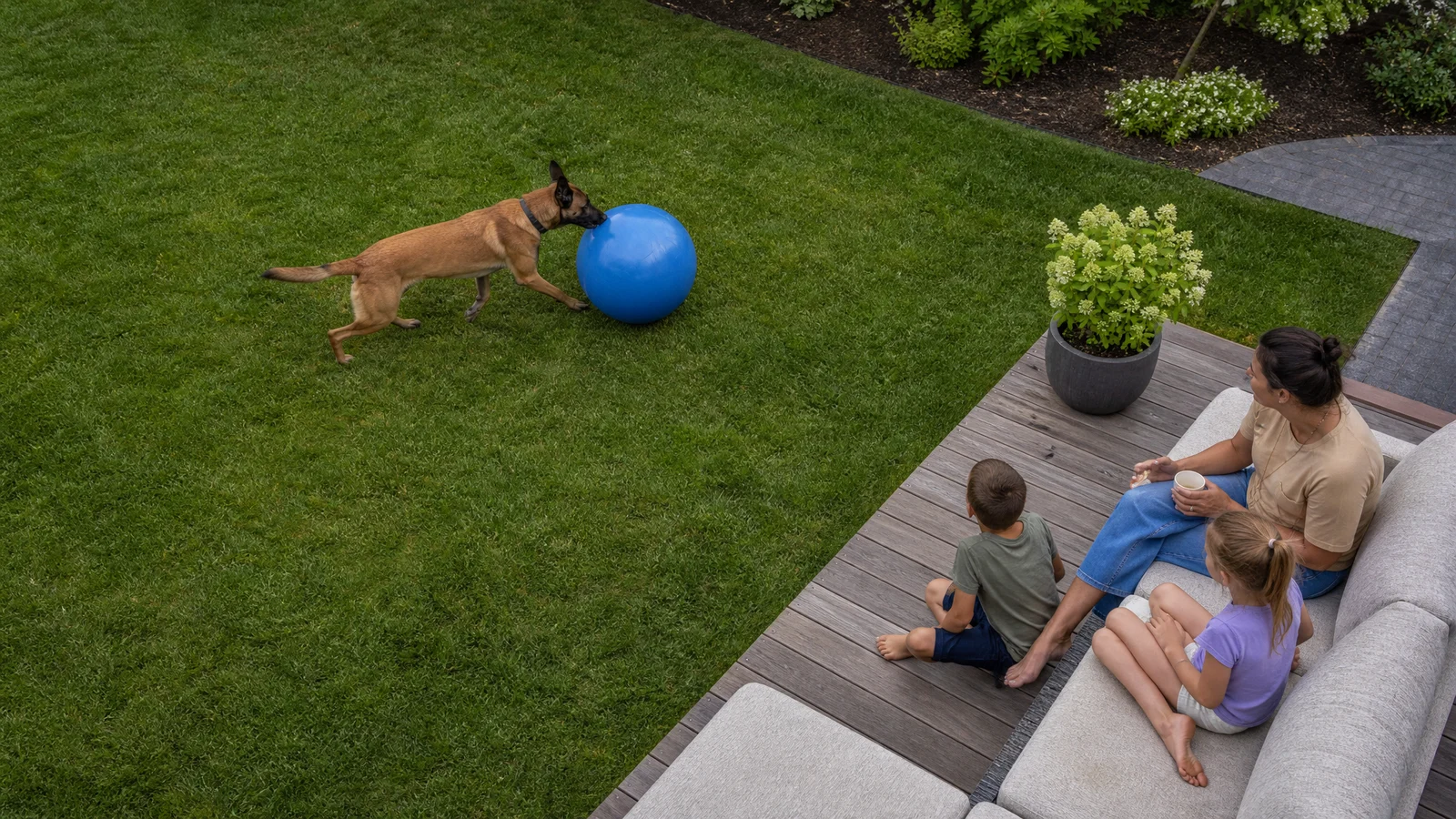 BehaviorBelgian Malinois Herding the Kids? Give Their Instinct a Job
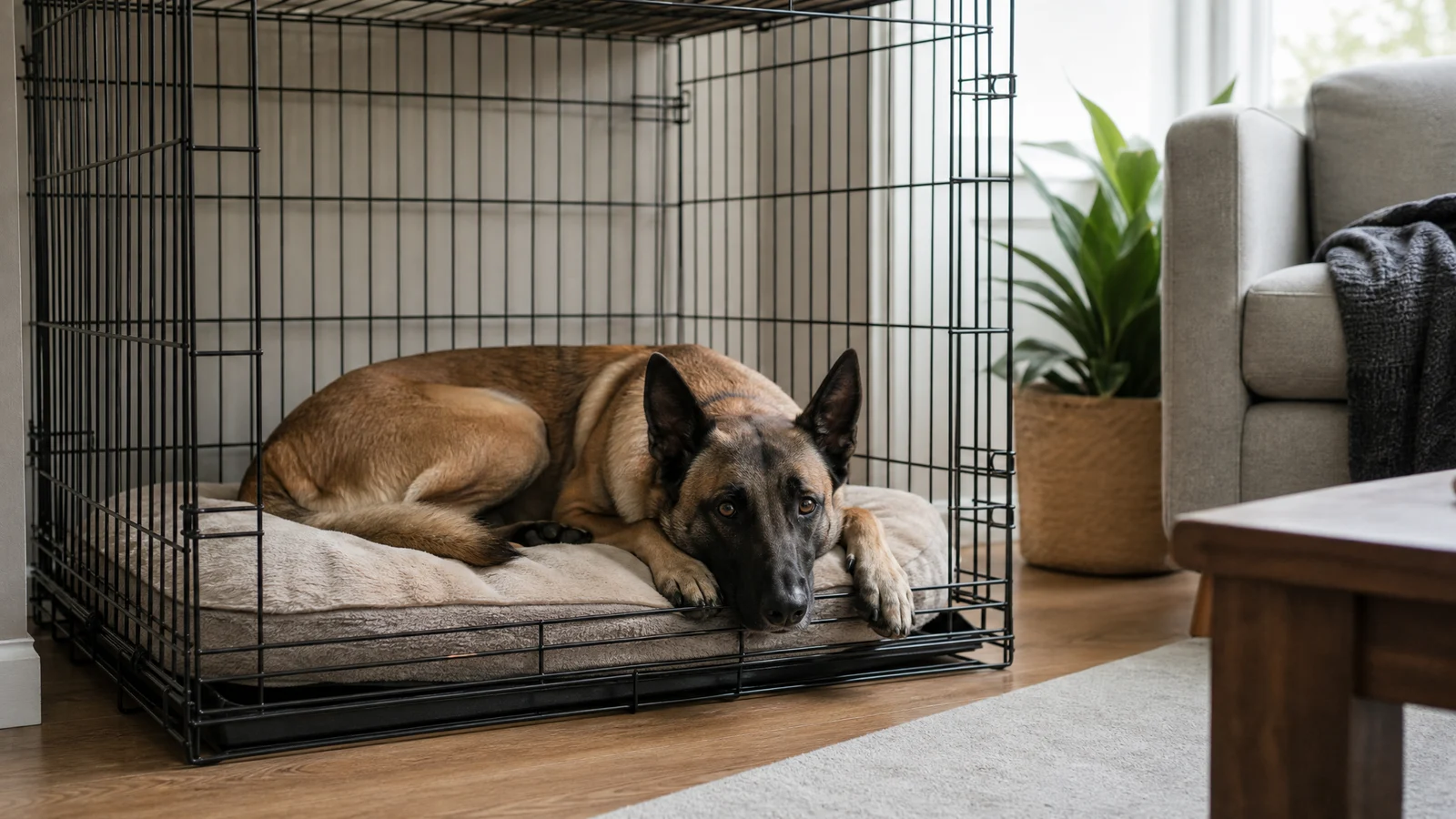 Training basicsCrate Calm and Alone-Time Skills for a Malinois Who Bonds Hard
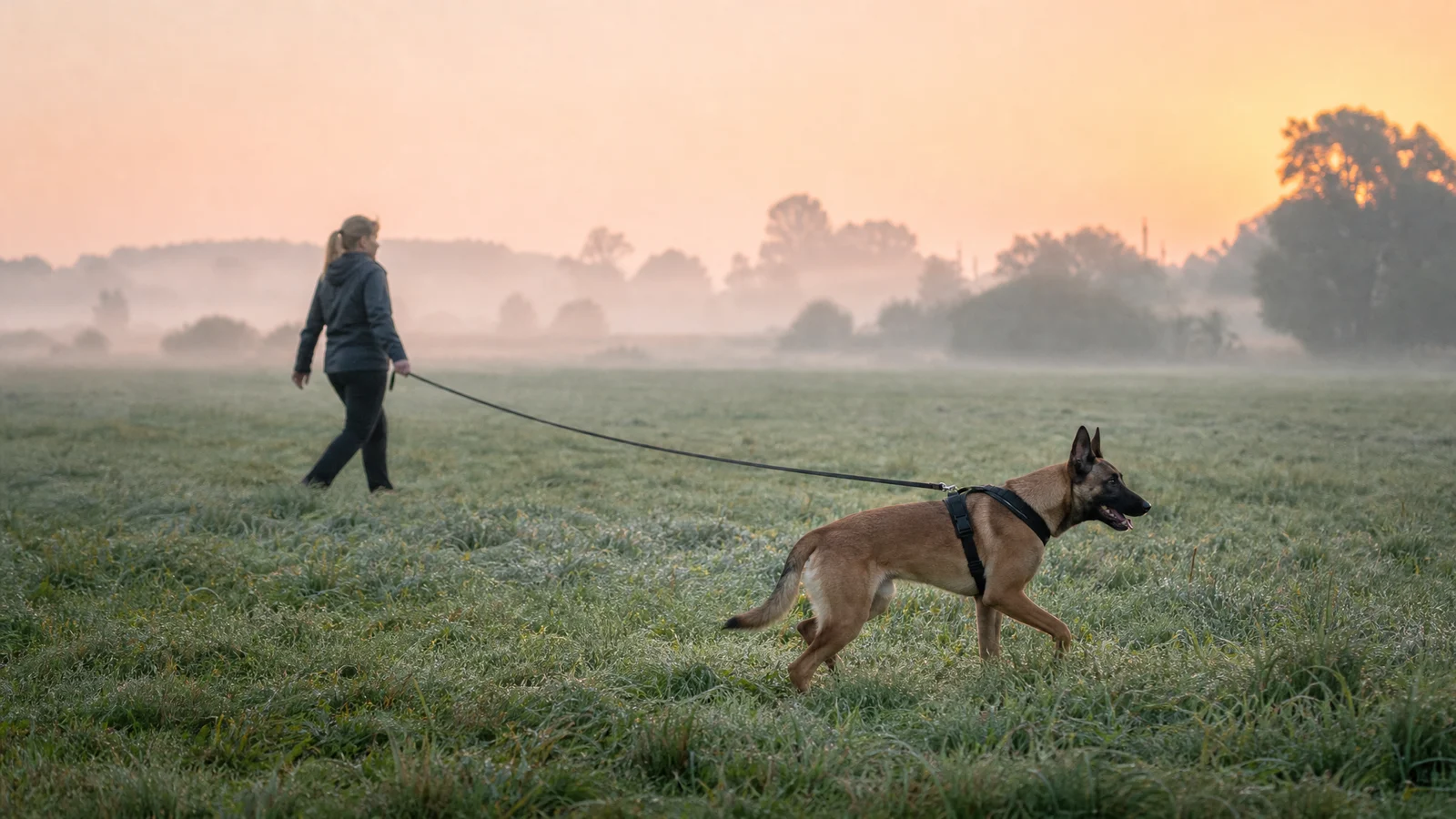 Exercise and jobsBelgian Malinois Exercise Needs: Is a Daily Walk Enough?